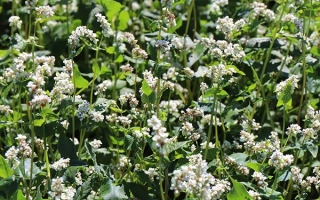
Fitchia, also known as buckwheat or grechka, is an annual plant of the buckwheat family, widely used in agriculture. The 'Nectarnica' variety is distinguished by its high yield and significant nectar productivity, making it valuable for both grain production and honey manufacturing. The native land of fitchia is considered to be the mountainous regions of India and Nepal, however, in Ukraine, it is successfully cultivated due to its hardiness and resistance to adverse weather conditions such as wind and cold.
To successfully grow fitchia of the 'Nectarnica' variety, certain agro-technical requirements must be observed. The plant prefers light, crumbly soils and requires proper crop rotation. An important factor is ensuring a sufficient level of moisture, especially during flowering and fruit formation, as well as maintaining a temperature range from 18 to 25 degrees. Additionally, timely weeding, fertilizer application, and correct sowing time are necessary, which contribute to obtaining a high and quality yield.
Fitchia is a valuable source of vitamins, trace elements, and amino acids, making it an important food product. Moreover, due to high nectar productivity, the 'Nectarnica' variety attracts bees, promoting pollination and increasing honey production. Thus, this crop combines both agricultural and ecological value, making it in demand among farmers and beekeepers.