

ROSHFOR K
Фгбоу Во Кубанский Государственный Аграрный Университет Имени И.Т.Трубилина
048 7 offers
3.78 €per seedling ≈ 195 ₴


Grape
Available at: LeafLand · Sezon
Aggregator catalog: prices are collected automatically from store websites, normalized by AI and converted at the current exchange rate. Before ordering, confirm the price and availability on the store's website. This block is not indexed by search engines — the data is loaded after the page opens.

An early-ripening wine grape with a distinct Muscat flavor and high cold resistance, perfect for premium winemaking.
In the world of wine grapes, breeders often have to choose between high yields and complex sensory profiles. The "Odeskyi Zhemchuh" (Odeskyi zhemchuh) variety, developed by the Tairov Institute, is a rare example of balance, combining robust genetics with elegant flavor characteristics. This early-ripening black grape variety is purpose-built for winemaking, offering winemakers high sugar content (over 20%) alongside impressive cluster and berry sizes.
The standout feature of this variety is its hardiness. In an era where climate shifts and fungal pressure—such as downy mildew, powdery mildew, and gray rot—can destroy a crop in weeks, "Odeskyi Zhemchuh" exhibits remarkable resistance. Its cold tolerance, down to -24°C, allows for cultivation without elaborate winter protection in most wine-growing regions.
"Odeskyi Zhemchuh" is the optimal choice for farm wineries focused on high-quality dessert or semi-sweet wines. The primary consideration is its female flower type, which requires the presence of pollinators in the vineyard. However, its high yield and field stability easily compensate for the need for careful layout planning. It is a workhorse for those who want to consistently achieve high sugar levels without engaging in an endless struggle against fungal diseases.
| Usage Group | |
|---|---|
|
Ripening Period
Ripening Period
It takes 70-100 days until pepper reaches flowering stage, 130-160 days until technical fruit ripeness, and 135-180 days until physiological ripeness. |
Early |
| Cold Resistance | |
|
Yield
Yield
Overall bulb harvest per unit area. Depends on both onion variety characteristics and agronomic practices, fertilizers, and irrigation. Under optimal growing conditions, an onion yield of 100 tons per hectare and above is not considered record-breaking. |
High |
| Bush Growth Power | |
| Flower Type | |
| Bunch Size | Large (500–800 g) |
| Berry Size | Large (5–8 g) |
| Berry Color | |
| Flavor | |
| Sugar Content | High (>20%) |
| Assignment | |
| Features | |
| Registration year | 2020 |
| Catalog | Catalog → Grape |
| Legal data |
Show · 4
|
| Country | Ukraine |
Not yet комментариев. Be the first!
Grapevine saplings · similar varieties
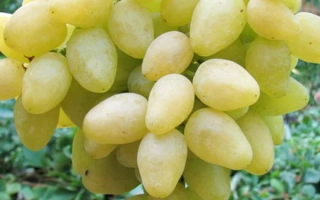


Often considered together with this variety


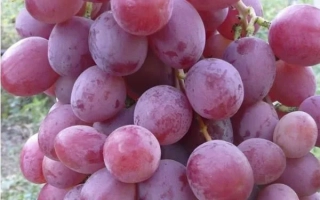


Products you’ve viewed on this site
Reviews · 0