


SKU #67797
·
48 views
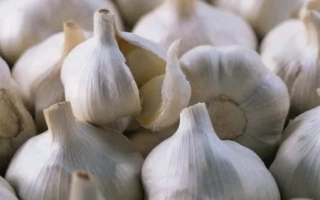
Garlic Skif
Garlic
User rating
0 votes0% positive reviews
No ratings yet — be the first.
Type
Winter Wheat
Features
Striking
Number of teeth in the head
4-6, 8-12
Average head weight (g)
40-50, 60-80
About product

A reliable bolting variety with excellent storage potential of up to 8 months and high disease resistance.
Type
Winter Wheat
Features
Striking
Number of teeth in the head
4-6, 8-12
Average head weight (g)
40-50, 60-80
Description
A Reliable Winter Garlic with Exceptional Storage Life
The «Skif» garlic, developed by the Federal Scientific Center for Vegetable Production, has established itself as a robust winter variety known for its predictability and resilience. This bolting variety is highly regarded in the market for its consistent yields and inherent resistance to key pathogens, making it an excellent choice for both commercial growers and private farmers.
Agronomic Performance and Characteristics
Under standard field conditions, the variety performs well, meeting professional requirements for winter crops:
- Yield: Ranges between 1.5–2.0 kg/m², offering a competitive output for its category.
- Morphology: Produces firm bulbs weighing between 40 and 80 grams. The number of cloves per bulb varies from 4 to 12, providing flexibility for planting density planning.
- Disease Resistance: Strong genetic resistance to white rot and bacteriosis minimizes the need for frequent fungicide applications, simplifying crop management.
Culinary Profile and Storage
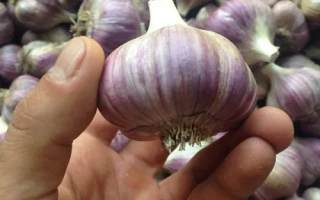
«Skif» features a medium-sharp flavor profile, making it a versatile ingredient for cooking and food processing. Its primary commercial advantage is its storage life: when kept at optimal temperatures, the bulbs maintain their quality and marketability for 6–8 months. This allows growers to manage supply chains effectively without the pressure of immediate post-harvest liquidation. Visually, the bulbs are quite appealing, with outer scales ranging in color from white to purple and lilac with distinctive stripes, ensuring a strong presence at the retail shelf.
Crop & resistance
Crop
Disease resistance
Specifications hover over for a hint about the specification
|
Type
Type
Galia (Galia) type — relatively new, of Israeli origin, although there are indications that this variety may originate from Spain. The fruits of this type are round or oval, weighing about 1 kg. The surface is smooth, covered with a delicate, connected netting, turning yellow whe... |
|
|---|---|
| Features | |
| Number of teeth in the head | 4-6, 8-12 |
| Average head weight (g) | 40-50, 60-80 |
| Color of Scale Armor | |
| Flavor | |
| Yield (kg/m2) | 1,5-2,0 |
| Lying | 6-8 months |
| Suitable for storage | Yes |
| Assignment | |
| Registration year | 1993 |
| Catalog | Catalog → Garlic |
| Legal data |
Show · 3 |
| Country | Russia |
Store offers
Prices are updated on loadLoading offers…
Aggregator catalog: prices are collected automatically from store websites, normalized by AI and converted at the current exchange rate. Before ordering, confirm the price and availability on the store's website. This block is not indexed by search engines — the data is loaded after the page opens.
Not yet комментариев. Be the first!






See also
Often considered together with this variety






Recently viewed
Products you’ve viewed on this site
Reviews · 0