
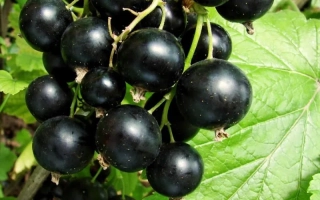

SKU #64673
·
34 views
ZYURATKUL
Currant
User rating
0 votes0% positive reviews
No ratings yet — be the first.
Type of Sort
Blackcurrant
Blackberry Type
Black
Bloom to maturity, days
Late (55-65 days)
Yield, kg/plant
5-7
About product

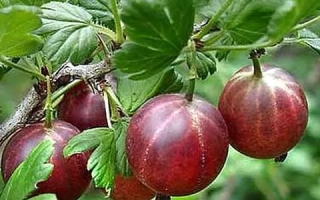
Black currant of the ZYURATKUL variety is a late-ripening universal variety with a medium-sized, spreading bush and medium-thick, curved grey-brown shoots. The leaves are large, five-lobed, green, glossy, and leathery with sharp long teeth. The fruit cluster is long and of medium density, with a straight, non-pubescent axis. The berries are round, black, with an average weight of about 1.7 grams,…
Type of Sort
Blackcurrant
Blackberry Type
Black
Bloom to maturity, days
Late (55-65 days)
Yield, kg/plant
5-7
Description
Black currant of the ZYURATKUL variety is a late-ripening universal variety with a medium-sized, spreading bush and medium-thick, curved grey-brown shoots. The leaves are large, five-lobed, green, glossy, and leathery with sharp long teeth. The fruit cluster is long and of medium density, with a straight, non-pubescent axis. The berries are round, black, with an average weight of about 1.7 grams, with a medium-thick skin and a thin green pedicel. The berries have a sour-sweet taste with a delicate aroma, confirmed by a high tasting score of 4.6 points. The berries contain a significant amount of vitamin C (269.9 mg per 100 g), as well as dry matter, sugars, and acids, making them useful and tasty.
The variety has medium yield, reaching 71.5 centners per hectare, and has good resistance to the main currant diseases. In particular, ZYURATKUL demonstrates a low degree of powdery mildew and anthracnose infection, making it promising for use in breeding and cultivation in regions with similar climatic conditions. Despite this, the variety can be slightly damaged by bud mites.
In terms of frost resistance, ZYURATKUL belongs to the medium-resistant varieties. Studies conducted under the conditions of the Southern Urals showed that at extreme winter temperatures up to -38.5°C, the degree of tissue freezing in this variety varies within average values. Main damage from frost affects the bark and buds, while the wood and core suffer less. Thus, ZYURATKUL is a reliable choice for gardeners looking for a variety with a good balance of taste qualities, yield, and resistance to diseases and frost.
The variety has medium yield, reaching 71.5 centners per hectare, and has good resistance to the main currant diseases. In particular, ZYURATKUL demonstrates a low degree of powdery mildew and anthracnose infection, making it promising for use in breeding and cultivation in regions with similar climatic conditions. Despite this, the variety can be slightly damaged by bud mites.
In terms of frost resistance, ZYURATKUL belongs to the medium-resistant varieties. Studies conducted under the conditions of the Southern Urals showed that at extreme winter temperatures up to -38.5°C, the degree of tissue freezing in this variety varies within average values. Main damage from frost affects the bark and buds, while the wood and core suffer less. Thus, ZYURATKUL is a reliable choice for gardeners looking for a variety with a good balance of taste qualities, yield, and resistance to diseases and frost.
Crop & resistance
Crop
Disease resistance
Specifications
| Type of Sort | |
|---|---|
| Blackberry Type | |
| Bloom to maturity, days | Late (55-65 days) |
| Yield, kg/plant | 5-7 |
| Berry Size | 1.3-1.8 |
| Berry Color | |
| Cold Resistance | |
| Resistance to Powdery Mildew | |
| Resistance to Bud Mite | |
| Resistance to Anthracnose | |
| Shrub Shape | |
| Vitamin C content, mg/100g | 250 |
| Registration year | 2024 |
| Catalog | Catalog → Currant |
| Legal data | |
| Country | Russia |
Store offers
Prices are updated on loadLoading offers…
Aggregator catalog: prices are collected automatically from store websites, normalized by AI and converted at the current exchange rate. Before ordering, confirm the price and availability on the store's website. This block is not indexed by search engines — the data is loaded after the page opens.
Not yet комментариев. Be the first!
Alternatives
Currant saplings · similar varieties





See also
Often considered together with this variety




Recently viewed
Products you’ve viewed on this site
Reviews · 0