
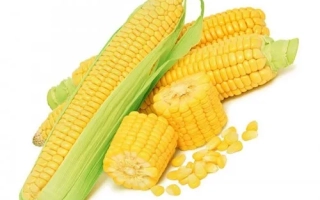


SKU #33907
·
31 views
Maize Norma
Corn
ARI HAS (Martonvasar)User rating
0 votes0% positive reviews
No ratings yet — be the first.
Hybrid Type
Variety (population)
Use Direction
Grain, Popcorn, Silage
Recommended Density
45-50 thousand pcs/ha, 50-55 thousand pcs/ha, 55-60 thousand pcs/ha, 60-65 thousand pcs/ha, 65-70 thousand pcs/ha, 70-75 thousand pcs/ha, 75-80 thousand pcs/ha, 80-85 thousand pcs/ha, 85-90 thousand pcs/ha
Registration year
1995
Store offers · 8 from 4 stores
Prices are updated on loadLoading offers…
Available at: Bat Opt · Віста · Vitaltechno · Waterlilia
Aggregator catalog: prices are collected automatically from store websites, normalized by AI and converted at the current exchange rate. Before ordering, confirm the price and availability on the store's website. This block is not indexed by search engines — the data is loaded after the page opens.
About product

A versatile hybrid with a wide range of sowing density for maximum adaptation to your field's conditions.
Hybrid Type
Variety (population)
Use Direction
Grain, Popcorn, Silage
Recommended Density
45-50 thousand pcs/ha, 50-55 thousand pcs/ha, 55-60 thousand pcs/ha, 60-65 thousand pcs/ha, 65-70 thousand pcs/ha, 70-75 thousand pcs/ha, 75-80 thousand pcs/ha, 80-85 thousand pcs/ha, 85-90 thousand pcs/ha
Registration year
1995
Description
Versatile Solutions for Intensive Farming
The «Norma» corn hybrid from the Hungarian breeding institute ARI HAS (Martonvasar) is a benchmark in agricultural versatility. Unlike specialized lines, this hybrid is designed as a multi-functional tool capable of efficiently converting soil nutrients into either biomass or commercial grain, depending on the operational needs of the farm.
Technological Potential and Usage Flexibility
The key engineering feature of «Norma» is its broad range of plant density. The recommended plant density varies from 45,000 to 85,000 plants/ha, allowing agronomists to tailor the sowing rate precisely to regional moisture conditions. At lower densities, the hybrid demonstrates its maximum potential for vegetative mass, making it an optimal choice for high-quality silage production. Under higher density conditions, the plant redirects resources toward forming a fully developed ear, suitable for commercial grain or specialty uses, including popcorn production.
Key Benefits for Practical Application
- Economic Versatility: The ability to choose the final use (grain, silage, or popcorn) provides the flexibility to adjust sales strategies mid-season based on market demand.
- Density Adaptability: The wide sowing range (45–85k plants/ha) mitigates risks associated with unstable climates, allowing density adjustments based on actual soil moisture reserves.
- Martonvasar Genetics: The genetic foundation developed in Hungary is renowned for its resistance to regional pathogens, effectively reducing the need for intensive fungicide treatments during early growth stages.
«Norma» is not merely a seed; it is a risk management tool. Integrating this hybrid into your crop rotation minimizes dependence on weather fluctuations and allows for seamless application in both livestock-focused operations and grain-production enterprises.
Video · 3 videos
Suggest a video →Crop & resistance
Crop
Specifications hover over for a hint about the specification
| Hybrid Type | |
|---|---|
|
Use Direction
Use Direction
Dual-purpose hybrids: for silage and grain in all growing regions. These are "stay-green" type hybrids, meaning the plants remain green for a longer period. However, this does not affect the sugar, cellulose, and hemicellulose content, nor the degree of lignification of the plant... |
|
|
Recommended Density
Recommended Density
Optimal productivity is achieved at a planting density of 4000-5500 plants/ha. Possible planting scheme: 300-500x40-80 cm. |
45-50 thousand pcs/ha, 50-55 thousand pcs/ha, 55-60 thousand pcs/ha, 60-65 thousand pcs/ha, 65-70 thousand pcs/ha, 70-75 thousand pcs/ha, 75-80 thousand pcs/ha, 80-85 thousand pcs/ha, 85-90 thousand pcs/ha |
| Registration year | 1995 |
| Catalog | Catalog → Corn |
| Manufacturer | ARI HAS (Martonvasar) |
| Country | Hungary |
Not yet комментариев. Be the first!
Alternatives
Maize seeds · similar varieties






See also
Often considered together with this variety





Recently viewed
Products you’ve viewed on this site
Reviews · 0