


FAO
90–1240
Hybrid Type
Single-cross hybrid
Kernel Type
Flint
Use Direction
Silage
Your mark
0 votes
0% positive ratings
Store offers · 2 from 2 stores
2 offers in 2 stores — from 50.08 € per 1 kg.
Available at: agrolan-com-ua · Agroopt
Prices are collected automatically from store websites and converted at the current exchange rate. Check the price and availability on the store website before ordering.
Description
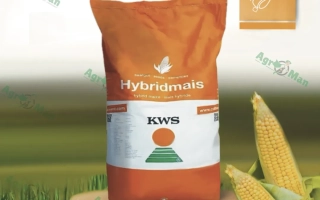
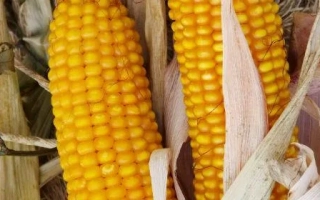
Corn KWS Gandalf is a mid-early hybrid with FAO 250, developed by the international company KWS. This hybrid is intended for producing high-quality silage and is characterized by high green mass yield, reaching 75-80 tons per hectare under optimal growing conditions. Plants reach a height of 300-310 cm, with ears attached at a height of 120-130 cm, ensuring ease of harvest and high productivity. The corn has 14-16 rows of kernels, each containing 35-40 kernels, with a 1000-kernel weight of 340-350 grams, and a flint-like kernel type.
The KWS Gandalf hybrid is distinguished by its stability and high resistance to lodging, which is important for maintaining crop quality. The plants have a remontant type with erectoid leaves, promoting efficient photosynthesis and development. Corn responds well to high agronomic fertility and can be grown using both extensive and intensive methods, including the use of organic fertilizers and agrochemicals for disease and pest protection.
The hybrid demonstrates high resistance to adverse environmental conditions, including drought and sharp temperature fluctuations. It is tolerant to diseases such as common rust, helminthosporium, stem rot, as well as the corn borer. When signs of disease appear, herbicides, fungicides, and insecticides should be applied, which do not affect the quality and safety of the resulting silage. The recommended plant population is 80-85 thousand plants per hectare in well-watered zones and 65-70 thousand per hectare in areas with insufficient water.
Crop & resistance
Crop
Disease resistance
Pest resistance
Specifications
| FAO | 90–1240 |
|---|---|
| Hybrid Type | |
| Kernel Type | |
| Use Direction | |
| Recommended Density | 80-85 thousand pcs/ha, 65-70 thousand pcs/ha |
| Registration year | 2020 |
| Catalog | Catalog → Corn |
| Manufacturer | KWS |
| Country | Germany |
No reviews yet. Be the first to share your experience.
Alternatives
Maize seeds · similar varieties






See also
Often considered together with this variety





Recently viewed
Products you’ve viewed on this site
Reviews