


SKU #4031
·
270 views
Ob
Cherry, Sour Cherry
User rating
0 votes0% positive reviews
No ratings yet — be the first.
Type of Sort
Steppe Cherry
Store offers · 1 from 1 stores
Prices are updated on loadLoading offers…
Available at: Наша Дача
Aggregator catalog: prices are collected automatically from store websites, normalized by AI and converted at the current exchange rate. Before ordering, confirm the price and availability on the store's website. This block is not indexed by search engines — the data is loaded after the page opens.
About product

This variety was developed at the Siberian Institute of Horticulture named after M.A. Lisavенко through selection among seedlings from open pollination of steppe cherry. Authors: M.A. Lisavenko, G.I. Subbotin, I.P. Kalinina. Introduced into the State Register for the Orenburg region. The bush is multi-stemmed, 1.3-1.5 m tall. The crown is dense and round, 1.4-1.6 m in diameter. Fruit set is conce…
Type of Sort
Steppe Cherry
Description
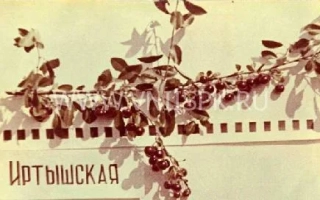
This variety was developed at the Siberian Institute of Horticulture named after M.A. Lisavенко through selection among seedlings from open pollination of steppe cherry. Authors: M.A. Lisavenko, G.I. Subbotin, I.P. Kalinina. Introduced into the State Register for the Orenburg region.
The bush is multi-stemmed, 1.3-1.5 m tall. The crown is dense and round, 1.4-1.6 m in diameter. Fruit set is concentrated, primarily on one-year shoots. Shoots are thin, straight, drooping, gray, with light-yellow stipules. Leaves are medium-sized, elongated, tapering to a point, light green, with doubly serrated edges. Petioles are short.
Fruits are medium-sized (3.2-4.0 g), dark red, rounded-heart-shaped. The pedicel is medium-length and thin. Flesh and juice are light red. Flavor is sour-sweet, good. They contain up to 15.8% soluble solids, 11.5-12.1% sugars, 1.3-1.4% acids, 29-33 mg/100g vitamin C, 190-200 mg/100g P-active substances, up to 0.3% tannins. The taste rating for fresh fruit is 3.8 points, for jam and compote 4.5 points. The stone is medium-sized (0.2 g), easily separates from the flesh and pedicel.
Fruits ripen in the second to third decade of July. High cold hardiness, drought-resistant. Severely affected by coccomycosis. Average yield (1.7-3.8 kg per bush). Partially self-fertile.
Advantages of the variety: high cold hardiness, easily propagated by green cuttings.
Disadvantages: not resistant to fruit rot and coccomycosis.
Video · 1 video
Suggest a video →Crop & resistance
Crop
Specifications
| Type of Sort | |
|---|---|
| Catalog | Catalog → Cherry, Sour Cherry |
Not yet комментариев. Be the first!
Alternatives
Cherry saplings · similar varieties



See also
Often considered together with this variety


Recently viewed
Products you’ve viewed on this site
Reviews · 0