

SKU #38209
·
54 views
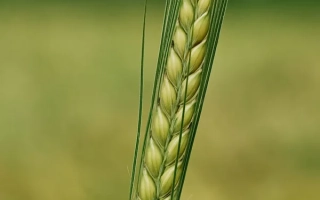
Barley PRUNELLA
Barley
SECOBRA RECHERCHES S.A.SUser rating
0 votes0% positive reviews
No ratings yet — be the first.
Plant Type
Perennial herbaceous plant
Plant Height
25-60
Registration year
2016
Store offers · 1 from 1 stores
Prices are updated on loadLoading offers…
Available at: Kert-m
Aggregator catalog: prices are collected automatically from store websites, normalized by AI and converted at the current exchange rate. Before ordering, confirm the price and availability on the store's website. This block is not indexed by search engines — the data is loaded after the page opens.
About product
A stable barley variety with excellent resistance to lodging for intensive farming systems.
Plant Type
Perennial herbaceous plant
Plant Height
25-60
Registration year
2016
Description
French genetics in your field
When selecting barley seeds from Secobra Recherches S.A.S, it is crucial to understand that Prunella is not intended for extensive farming. This is an intensive variety that requires strict adherence to agrotechnological protocols but rewards you with a consistently high yield. Experience shows that with proper nitrogen management, the crop demonstrates excellent resistance to lodging, which is vital during wet summers.
Operational and Sowing Features
- Tillering Potential: The variety forms a robust stem density, allowing for a reduction in seeding rates without compromising productive stem density.
- Plant Health: Spotting diseases are kept to a minimum provided the fungicide protection schedule is followed.
- Plant Height: The compact height (25–60 cm) simplifies harvesting and minimizes harvesting losses.
Working with seeds from the French originator Secobra Recherches S.A.S demonstrates high field germination. Even under unfavorable spring conditions, the emergence is uniform. For combine operators, this is a manageable variety: the straw is strong and does not lodge even at high yields, allowing for optimal harvesting speed without clogging the header with excess biomass. Prunella is forgiving of minor sowing delays but strictly dislikes overcrowding. If you are aiming for maximum yields, prioritize optimal sowing depth, as the variety's genetics rely heavily on a synchronized start.
Crop & resistance
Crop
Specifications
| Plant Type | |
|---|---|
| Plant Height | 25-60 |
| Registration year | 2016 |
| Catalog | Catalog → Barley |
| Manufacturer | SECOBRA RECHERCHES S.A.S |
| Legal data |
Show · 7
|
| Country | France |
Not yet комментариев. Be the first!
Alternatives
Barley seeds · similar varieties


See also
Often considered together with this variety





Recently viewed
Products you’ve viewed on this site
Reviews · 0