
Rice dwarf
Rice dwarf
The causal agent of Rice dwarf disease is the Rice dwarf virus (RDV), which belongs to the Phytoreovirus genus within the Reoviridae family. It is a double-stranded RNA virus known for its high host specificity and structural stability.
What the section contains
Rice dwarf
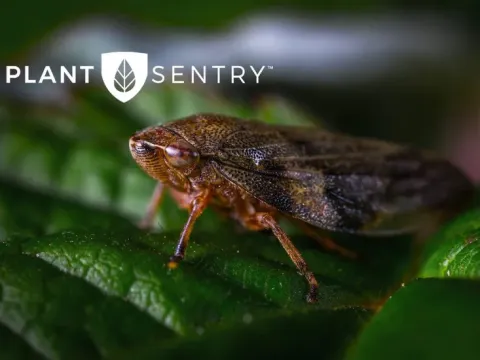
The primary reservoir and vector for this virus are several species of rice leafhoppers, most notably Nephotettix cincticeps. The virus exhibits transovarial transmission, meaning it can be passed from the female insect to her offspring through eggs.
Besides leafhoppers, the virus can infect various wild grass species. These plants serve as long-term environmental reservoirs, maintaining the viral presence in the field surroundings throughout the off-season.
Infection occurs while the leafhopper feeds on the rice plant. The virus is injected along with saliva directly into the plant's phloem tissues, after which it spreads systemically throughout the entire vascular system.
Notably, the virus is not transmitted through seeds, soil, or mechanical contact between plants. Its spread is entirely dependent on the biological activities of its insect vectors.
The most prominent sign of the disease is the stunting of the rice plant. Infected plants show a significant reduction in height compared to healthy specimens, making them stand out in the field.
The leaves often exhibit a yellowish-green discoloration. A characteristic diagnostic feature is the presence of small chlorotic spots or flecks that run parallel to the leaf veins, caused by viral interference with chlorophyll development.
Infected plants may show increased tillering, but these tillers are typically weak, stunted, and underdeveloped. The root system is also severely affected, leading to poor nutrient uptake and overall plant decline.
In cases of early-season infection, plants may fail to produce panicles entirely, or they may produce deformed panicles with empty or sterile spikelets, resulting in significant yield loss.
Symptoms often appear in patches within the field, reflecting the localized feeding activity and distribution patterns of the leafhopper populations.
The prevalence of Rice dwarf disease is strictly linked to the population dynamics of its leafhopper vectors. Warm temperatures and high humidity levels are optimal conditions for rapid insect reproduction.
Weed infestation on field margins and near irrigation canals provides an ideal environment for the vectors to survive and harbor the virus during the periods when the main crop is absent.
Early planting increases the risk of infection, especially in regions where leafhopper populations are high, as young rice seedlings are particularly susceptible to the virus.
Weather patterns that trigger the migration of leafhoppers from natural habitats into rice fields often coincide with critical periods of vulnerability for the crop.
Excessive nitrogen fertilization promotes lush, succulent growth, which makes the plants more attractive to leafhoppers, thereby increasing the probability of vector feeding and virus transmission.
The major impact of Rice dwarf disease is a dramatic reduction in grain yield. In heavily infested areas, losses can reach 50% to 80% of the potential harvest.
In addition to volume loss, the quality of the harvested grain is significantly compromised. Grains are often shriveled, have low weight, and exhibit poor milling and cooking properties.
The disease alters the normal development cycle of the rice, causing uneven ripening and extending the duration of the crop growth, which disrupts scheduled agricultural operations.
Infected fields serve as a continuous source of inoculum for neighboring healthy fields throughout the growing season, worsening the spread of the virus.
The lack of effective curative treatments for infected plants makes this disease a significant economic challenge for farmers, requiring a focus on prevention and vector control.
Effective management relies primarily on controlling the leafhopper populations. This is typically achieved through the application of systemic insecticides during the early growth stages of the rice crop.
Aggressive weed control around fields and irrigation networks is essential, as these areas act as permanent reservoirs for the virus and its insect vectors.
Developing and planting rice varieties that possess genetic resistance or tolerance to the Rice dwarf virus is the most sustainable approach for managing the disease in endemic regions.
Implementing proper planting schedules and ensuring spatial isolation between fields can help mitigate the risks of vector-mediated virus transfer.
- Monitoring leafhopper populations using sticky traps.
- Prompt removal and destruction of symptomatic plants in small outbreaks.
- Rotating crops to break the cycle of the vector and the virus.