
Rice necrosis mosaic virus
Benyvirus oryzae
The causative agent of this disease is the Rice necrosis mosaic virus, which is classified within the genus Benyvirus. It is a viral pathogen characterized by rod-shaped particles containing RNA.
What the section contains
Rice necrosis mosaic virus
It causes a systemic disease, spreading through the vascular system of the plant and interfering with normal physiological and metabolic processes.
The virus is transmitted by a soil-borne plasmodiophorid fungus, Polymyxa graminis, which acts as the primary vector for infection.
The virus persists within the resting spores of the fungus, which can remain viable in the soil for several years, ensuring long-term persistence in the environment.
Infection is initiated when the zoosporangia of the fungus release motile zoospores that penetrate the root system of young rice plants in flooded conditions.
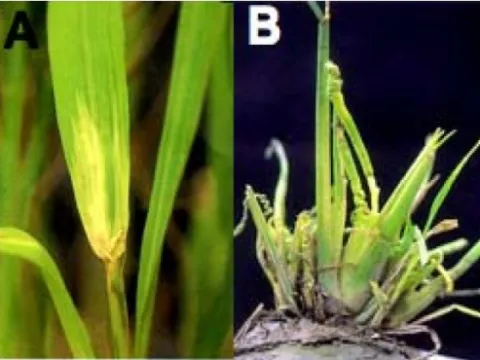
Initial symptoms are characterized by chlorosis and yellowing of the leaves, which often become apparent during the early tillering stage of the plant.
As the infection progresses, necrotic streaks and patches develop on the leaves and stems, leading to severe foliage damage and discoloration.
Infected plants typically exhibit stunting and reduced height compared to healthy specimens, which significantly alters the crop architecture.
Affected fields often show irregular patches of stunted plants, which is a hallmark of the non-uniform distribution of the fungus vector in the soil.
In severe cases, the entire plant structure becomes distorted, and the development of the root system is severely compromised by the ongoing viral stress.
The development of the disease is strictly dependent on the soil moisture content, as the fungus vector requires water for the release of zoospores.
Optimal environmental conditions for the spread of the disease include high humidity and temperatures ranging from 15°C to 25°C, which favor fungal activity.
Continuous flooding of rice paddies creates an ideal environment for the persistence and transmission of Polymyxa graminis throughout the growing season.
The absence of crop rotation or the use of susceptible varieties facilitates the rapid buildup of viral inoculum within the agricultural soil.
Poor drainage practices increase the risk of infection by extending the duration of optimal conditions for the fungus to colonize the roots.
The primary economic harm caused by the virus is a significant reduction in grain yield due to impaired panicle development and grain formation.
The systemic infection leads to a decrease in the number of productive tillers per plant, which directly impacts the harvest potential of the crop.
Viral infection leaves the plants immunocompromised, making them more susceptible to subsequent attacks by secondary pathogens, including bacterial and fungal blight.
Grain quality is often downgraded due to poor filling and physical deformation, limiting its marketability and usage for human consumption or seed production.
Widespread outbreaks can result in severe financial losses, necessitating costly management interventions or a complete cessation of rice cultivation in heavily infested areas.
The most effective strategy for managing the disease is the cultivation of resistant or tolerant rice varieties developed through conventional breeding or biotechnology.
Implementing long-term crop rotation cycles that break the lifecycle of the fungus vector is a critical practice for reducing soil-borne inoculum.
Strict phytosanitary measures, including the thorough cleaning of machinery and tools, must be applied to prevent the transfer of infested soil between different fields.
Improved irrigation management, including periods of controlled drainage, can help suppress the activity of the fungal vector during critical growth stages.
- Utilizing certified disease-free seeds and planting materials.
- Monitoring fields for early signs of chlorotic spotting and stunted growth.
- Removing and destroying infected plant debris after harvest to reduce future inoculum.
- Optimizing nitrogen and micronutrient applications to improve overall crop vigor.