
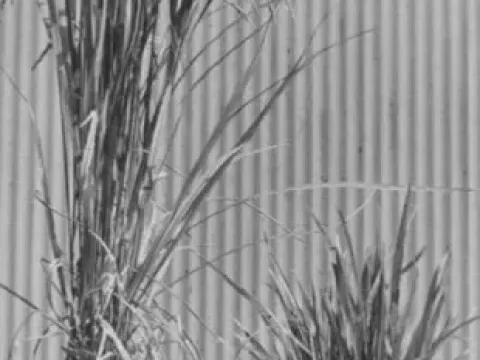
Rice dwarf virus
Fijivirus alporyzae
The Rice dwarf virus (RDV), scientifically known as Fijivirus alporyzae, is a member of the Reoviridae family and the Fijivirus genus. It contains a genome consisting of double-stranded RNA segments.
What the section contains
Rice dwarf virus
The virus acts as an obligate parasite, relying entirely on its host plants and specific insect vectors to complete its transmission cycle. It cannot survive or replicate outside of living host tissues.
Transmission occurs exclusively via specific insect vectors, primarily leafhoppers (Cicadellidae family). The virus follows a persistent, propagative transmission mode, meaning the insect remains infectious for its entire lifespan.
Once ingested by a leafhopper, the virus replicates within the insect's internal organs, particularly the salivary glands, before being transmitted to healthy plants during the feeding process.
The virus is capable of transovarial transmission, where an infected female leafhopper passes the pathogen to her offspring, allowing for the persistence of the disease in local insect populations.
The most distinctive symptom of the infection is severe stunting of the rice plant, caused by systemic viral interference with normal growth hormone signaling and cell division processes.
Leaves display characteristic chlorotic spots, streaks, or flecks that appear in rows parallel to the leaf veins. Over time, these spots may merge, leading to a mosaic pattern across the foliage.
Infected plants show excessive but abnormal tillering, resulting in a dense, bushy appearance. Despite the increase in tiller numbers, these shoots remain stunted, brittle, and unproductive.
The root system of infected plants is poorly developed, which prevents proper nutrient and water uptake, further exacerbating the dwarfing effect and making the plant prone to wilting.
Reproductive development is severely hampered; panicles often fail to emerge properly from the leaf sheath, and grain filling is either drastically reduced or completely prevented.
The severity of an outbreak is closely correlated with the population density of the insect vectors. Warm, humid weather provides the optimal environment for leafhopper breeding and dispersal.
The virus persists in the environment by overwintering in alternative hosts, such as perennial weeds and grasses located near rice fields. These act as reservoirs for early-season infections.
Poor agricultural practices, such as continuous cropping of susceptible rice varieties and the neglect of weed control in surrounding areas, significantly increase the risk of disease transmission.
Environmental stress, such as fluctuations in water levels in paddy fields or extreme temperature shifts, can make the rice plants more susceptible to initial viral invasion.
The synchronization of rice planting dates across a region can influence the timing of leafhopper migration, potentially leading to widespread infection if large areas of rice are at the susceptible seedling stage simultaneously.
Rice dwarf virus is highly destructive, capable of causing yield losses ranging from 50% to total crop failure. Plants infected during the seedling stage are usually incapable of producing marketable grain.
Beyond quantity, the quality of the harvest is severely degraded. Grains from infected plants are often unfilled, chalky, and exhibit poor germination rates, making them unsuitable for food or seed.
The presence of the virus necessitates expensive management strategies, including the widespread application of insecticides and the replanting of destroyed fields, which heavily impacts farm profitability.
Weakened plants are highly susceptible to secondary attacks by other pests and opportunistic fungal or bacterial infections, forcing farmers to increase their reliance on various agrochemicals.
The disease poses a significant threat to food security in major rice-producing regions, requiring stringent quarantine measures and continuous monitoring of insect vector populations.
The most effective strategy involves controlling the insect vector population through the strategic application of systemic insecticides, particularly during the early stages of rice development.
Cultural control practices, such as the removal of alternate weed hosts around paddy fields, are essential to break the infection cycle and reduce the initial inoculum load in the spring.
Breeding and planting resistant rice varieties is the gold standard for long-term management. Genetic resistance prevents the virus from replicating even if the plant is exposed to infected insects.
Adjusting the planting schedule to avoid periods of high leafhopper activity can significantly reduce the probability of early-stage infection, protecting the crop during its most vulnerable phase.
Regular surveillance using yellow sticky traps allows farmers to monitor vector density in real-time and make informed decisions regarding the timing and necessity of protective measures.