
Rice dwarf virus
Oryzavirus oryzae
Description
Symptoms
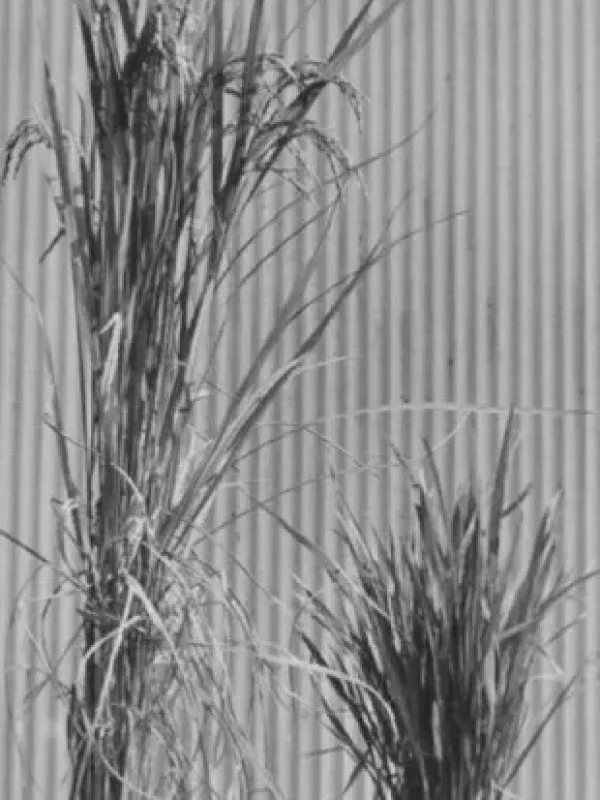
The most prominent symptom is a severe reduction in plant height, which gives the infected plants a distinct stunted, dwarf appearance compared to healthy crops.
Leaves exhibit characteristic symptoms, including chlorotic or yellowish spots often arranged in linear patterns along the veins. In severe cases, leaves may become deformed, curled, or distorted.
Infected plants show an abnormal increase in tillering; however, these tillers are weak, short, and underdeveloped. Panicles are often poorly formed or completely sterile, resulting in little to no grain yield.
When infection occurs early in the seedling stage, the plants may die prematurely, causing significant gaps in the field and overall stand reduction.
Due to the complexity of visual diagnosis, laboratory testing such as ELISA or PCR is often required to distinguish this virus from other nutritional deficiencies or viral pathologies.
Pathogen
The causal agent of this disease is the Rice dwarf virus (RDV), which belongs to the genus Phytoreovirus within the Reoviridae family. It is a double-stranded RNA virus that primarily infects species within the Poaceae family.
Transmission occurs in a persistent manner through insect vectors. The primary vector for the virus is the green rice leafhopper, Nephotettix cincticeps, along with other related species.
Once acquired by the leafhopper, the virus replicates within the insect's body, particularly in the salivary glands. After an incubation period, the insect remains a carrier and infectious for the duration of its lifespan.
The virus does not spread mechanically or via seeds. Therefore, the spread of the disease is strictly dependent on the lifecycle and population dynamics of the insect vectors present in the area.
Beyond cultivated rice, various wild grasses serve as reservoirs for the virus, allowing it to persist in the environment even when rice is not being actively grown.
Conditions for development
The development and spread of the disease are heavily influenced by the population density of the insect vectors. Warm and humid conditions favor both the reproduction of leafhoppers and the activity of the virus.
Favorable temperatures accelerate the incubation period of the virus within the plant tissues and the vector, leading to faster spread during the growing season.
The presence of alternative host plants, such as wild grasses near irrigation channels or field margins, facilitates the carryover of the virus and the survival of the insect vectors.
Timing of sowing is a critical factor; if the susceptible seedling stage coincides with peak migration periods of the leafhopper, it often results in major epidemics.
Regular monitoring of vector populations is essential for effective farm management and timely application of control strategies to prevent field-wide contamination.
Why it matters
The economic impact of Rice dwarf virus is substantial, as infected plants are generally non-productive, leading to severe yield losses in rice-growing regions.
Affected plants fail to produce marketable grain due to the sterility of panicles and poor grain filling. This significantly reduces the total output of the harvest.
The damage includes both the direct loss of grain and the increased costs associated with frequent insecticide applications needed to suppress vector populations.
Infection leads to thinning of the crop canopy, which may further exacerbate weed pressure and increase competition for nutrients and sunlight.
The disease remains a major challenge in intensive rice cultivation, particularly in Asian countries, necessitating constant vigilance and integrated disease management.
Protection
The primary strategy for controlling the disease is the systematic use of insecticides to suppress the populations of leafhopper vectors, thereby preventing transmission.
The deployment of resistant or tolerant rice varieties is recognized as the most sustainable and effective method for minimizing the impact of the virus on productivity.
Cultural practices include the removal of weeds and alternative hosts from field borders and irrigation canals to reduce the survival sites for the insect vectors.
Adjusting the planting schedule to avoid peak vector activity is an effective way to protect vulnerable seedlings from primary infection.
Field sanitation, including the prompt removal of infected plants and spatial isolation from older, potentially diseased fields, helps to contain the localized spread of the virus.
Discussion
No discussions yet — be the first.