
Rice dwarf virus
Phytoreovirus betaoryzae
The causative agent of the disease is the Rice dwarf virus (RDV), classified as Phytoreovirus betaoryzae. It belongs to the Reoviridae family and contains a double-stranded RNA genome.
What the section contains
Rice dwarf virus
This virus primarily infects rice (Oryza sativa) but can survive in various wild grass species which serve as alternative hosts for the virus.
The primary vector for the transmission of the virus is the green rice leafhopper, Nephotettix cincticeps. The insect acquires the virus by feeding on infected plants.
Once infected, the leafhopper retains the ability to transmit the virus throughout its entire lifespan. Transovarial transmission to offspring can also occur in some leafhopper populations.
The virus replicates within both the plant and the insect vector, making the management of insect populations crucial for limiting the spread of the disease.
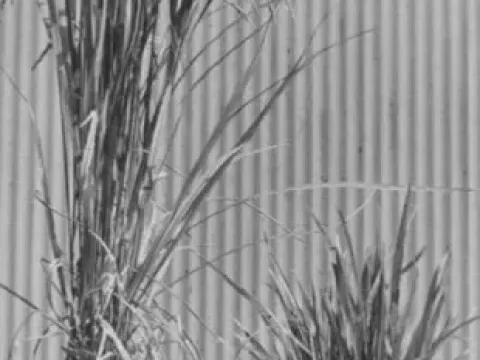
The most characteristic symptom of the disease is severe stunting of the rice plants. Due to the shortening of internodes, infected plants appear much shorter than healthy ones.
The leaves of infected plants often exhibit a dark green color and may appear stiff or curled. In some varieties, chlorotic specks or striped patterns on the leaves are evident.
Infected plants show excessive tillering, resulting in a bushy appearance. However, these tillers are usually stunted and fail to produce a normal, healthy grain-bearing panicle.
If the plant is infected early in its development, it may fail to head altogether. Any panicles that do emerge are typically empty, underdeveloped, or show significant sterility.
The root system of infected plants is poorly developed, which makes the plant more sensitive to environmental stressors like water shortages or nutrient deficiency.
The spread of the disease is closely linked to the migration patterns of the leafhopper vector. Warm and humid weather conditions favor the rapid multiplication of these insects.
The presence of weeds in and around rice fields creates a reservoir for the virus. These plants allow the virus to persist during periods when the rice crop is not actively growing.
High-density planting creates a microclimate that is conducive to the movement and survival of the leafhopper, accelerating the transmission rate within a field.
Environmental factors that stress the plants, such as improper irrigation or imbalanced fertilization, can make them more susceptible to the initial viral infection.
The disease tends to be more severe in areas where susceptible rice varieties are grown continuously, facilitating the buildup of both the virus and its vector population.
The economic impact of the Rice dwarf virus is significant, as it can cause total yield failure in severely infected rice crops.
The primary damage is due to plant sterility. Because the plants do not produce viable grain, the entire harvest effort in affected areas can result in zero marketable yield.
Seedlings infected at a young age often die, leading to poor crop stands and the need for costly replanting in affected parts of the field.
The weakened state of infected plants makes them prone to secondary infections from various pathogens, which further complicates crop health management.
Large-scale outbreaks can devastate local agricultural economies, especially in regions where rice is the staple crop and primary source of income for farmers.
The most effective strategy for managing the disease is the use of resistant rice cultivars developed through selective breeding programs.
Monitoring and controlling the population of green rice leafhoppers is vital. Applying insecticides at the correct stage can significantly reduce the viral transmission chain.
Sanitation practices, such as the systematic removal of weeds and grasses that act as viral reservoirs, are essential components of integrated pest management.
Implementing crop rotation and maintaining adequate spatial isolation between fields helps prevent the spread of the virus to new, uninfected plantings.
Adjusting planting dates to ensure that the most vulnerable growth stages of rice do not coincide with the peak migration times of the leafhoppers can minimize infection risks.