
Rice oat mosaic virus
Sobemovirus romov
The causal agent of this disease is the Sobemovirus romov, a virus classified within the Sobemovirus group. This pathogen is known to cause systemic infections in various cereal crops, leading to significant yield losses in affected regions.
What the section contains
Rice oat mosaic virus
The virus consists of small isometric particles containing a single-stranded RNA genome. Its life cycle is strictly dependent on the host plant, within which the virus hijacks cellular machinery to replicate and spread to neighboring cells.
Transmission of the virus typically occurs through mechanical means, such as the contact of leaves in windy conditions or via agricultural machinery. Furthermore, specific insect vectors can facilitate the rapid transmission of the pathogen across fields.
The virus exhibits remarkable persistence in environmental reservoirs. It can survive in soil-borne crop debris and perennial grasses that act as alternative hosts during the off-season, ensuring its presence for subsequent years.
Research into the molecular biology of Sobemovirus romov highlights the diversity of viral strains, which can adapt to different environmental conditions and host varieties, complicating disease management strategies.
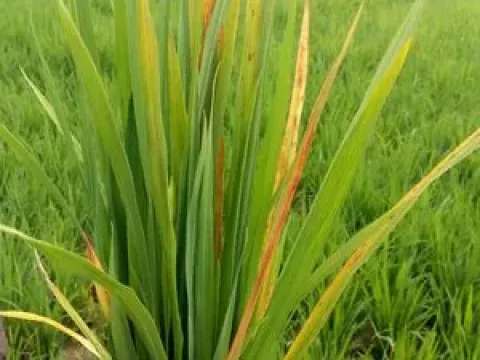
The primary symptom of infection is mosaic patterns on leaves, characterized by chlorotic spots and streaks. These patterns are often irregular and may vary in color intensity depending on the developmental stage of the host plant.
Infected plants typically exhibit severe stunted growth. The shortening of internodes and reduced leaf surface area are clear indicators that the plant's physiological development has been compromised by the viral infection.
Reproductive development is often severely hampered. Infected plants may fail to produce grain, or produce deformed, sterile spikes, which leads to a significant decrease in total harvestable grain volume and quality.
The yellowing of leaves often begins at the tips and progresses downward. Unlike fungal infections, mosaic symptoms lack the presence of visible spores or mycelium on the leaf surface, which is a key diagnostic feature.
The severity of symptoms is highly correlated with the timing of infection. Early-season exposure to the virus generally leads to more pronounced systemic damage compared to late-season infections.
Warm and humid weather conditions are ideal for the development and spread of the virus. Such conditions promote vigorous vegetative growth and sustain the insect vector populations necessary for viral transmission.
High crop density significantly contributes to the spread of the disease. Denser plantings facilitate more frequent physical contact between leaves, allowing the virus to spread rapidly through mechanical wounding and friction.
The presence of weeds in and around the fields acts as a persistent source of infection. These wild grasses serve as reservoirs that harbor the virus even when the primary crop is absent from the field.
Continuous cropping of susceptible varieties on the same land creates an environment where the virus can accumulate to high levels, eventually leading to epidemic outbreaks that are difficult to manage.
Environmental stress, such as fluctuating temperatures, can accelerate symptom expression by weakening the plant's natural defense mechanisms and enhancing the rate of viral replication within host tissues.
The primary impact of the virus is a drastic reduction in grain yield. Infected plants produce lower biomass, and the grain that does develop is often of poor quality, affecting its marketability and nutritional value.
Widespread infection leads to thinning of the crop stand, which provides an opportunity for weeds to colonize the field, further competing with the remaining healthy crop plants for essential resources.
Viral infection disrupts the plant's photosynthetic efficiency, which leads to premature senescence and a decreased ability of the crop to withstand secondary stressors like drought or temperature extremes.
The economic burden includes both direct losses from reduced harvest and the indirect costs of implementing intensive disease control and crop protection measures across large areas.
Once a field is heavily infected, the virus can persist for several cycles, making it challenging to produce high-value cereal crops without resorting to significant changes in agronomic practices.
Strict crop rotation is the most effective preventative measure. Avoiding the planting of susceptible cereal varieties on the same plot for consecutive years reduces the buildup of the viral inoculum.
Effective weed management is essential. Eliminating reservoir hosts in and around fields significantly lowers the risk of the virus being introduced into the crop early in the growing season.
The use of certified, virus-free seeds is critical, as many viral diseases are disseminated through contaminated seed lots. Seed treatments may provide limited protection, but clean sources remain the priority.
Controlling insect vectors through timely and judicious use of insecticides is an important management tool to interrupt the transmission cycle during periods of peak insect activity.
The development and deployment of resistant or tolerant crop varieties remain the long-term solution for managing Sobemovirus romov, providing a sustainable way to maintain yields despite the presence of the pathogen.