
Clover yellow mosaic virus
Potyvirus trifolii
The disease is caused by the Clover yellow mosaic virus (ClYMV), which belongs to the Potexvirus genus. It is a plant pathogen characterized by flexible, filamentous viral particles.
What the section contains
Clover yellow mosaic virus
The virus primarily affects a wide range of legumes, including various clover species, alfalfa, peas, and soybeans. It can persist in overwintering host plants and wild perennial grasses.
In field conditions, the virus is transmitted mainly through mechanical means, such as contact between infected and healthy tissues during agricultural activities and handling.
Seed transmission is another potential pathway; while it is not the primary route, it plays a critical role in the initial introduction of the pathogen into new areas or fields.
The virus's biology is closely linked to the physiological state of the plant tissues, where it replicates systemically, disrupting normal metabolic processes and chlorophyll synthesis.
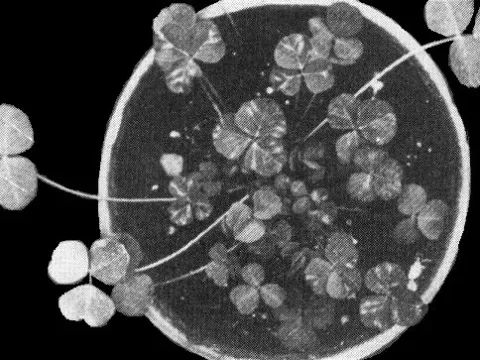
The most characteristic symptom is the development of a yellow mosaic pattern on the leaves. The spots can range from light green to vivid yellow shades, often forming distinct, irregular designs.
In some instances, infected leaves may show visible deformation, such as curling, crinkling, and a significant reduction in leaf surface area compared to healthy foliage.
As the disease progresses, plants often exhibit stunted growth. Infected specimens typically appear weakened, with shortened internodes and a poor, sparse overall appearance.
Necrosis of leaf tissue may occur in advanced stages, leading to premature leaf drop and a significant decline in the aesthetic and nutritional quality of the forage crop.
During the flowering stage, the infection can impair bud formation and cause distortion of inflorescences, which negatively impacts the overall seed yield of the clover stand.
The development of the virus is favored by moderate temperatures typical of the spring and autumn growing seasons, which accelerate viral particle replication within the host.
High humidity levels in both the soil and air indirectly facilitate the pathogen's spread by promoting lush plant growth and increasing the likelihood of contact between infected and healthy plants.
Physical injury to vegetative parts by insects, farm equipment, or livestock grazing on pastures creates efficient entry points for the virus to enter the plant tissues.
The presence of wild legume reservoirs near cultivated fields acts as a persistent source of infection, ensuring a continuous supply of the virus throughout the growing cycle.
Continuous cropping of clover in the same field for multiple years promotes the build-up of the virus in the soil and remaining plant debris, increasing disease pressure.
The primary economic damage caused by the virus is a significant reduction in the yield of green mass, which is a vital component for livestock fodder production.
Infection results in lower nutritional quality of the forage, characterized by decreased levels of proteins, vitamins, and essential minerals necessary for livestock health and productivity.
The virus drastically reduces the longevity of clover stands, compelling farmers to plow under fields prematurely and incur extra costs for reseeding and land preparation.
Infected legume crops become more susceptible to other environmental stresses, including drought, extreme heat, or frost damage, further weakening the plant population.
Total losses include lower hay production volumes, reduced seed yields, and additional expenditures related to the restoration and management of damaged pastures.
The primary strategy for management is the use of high-quality, certified seed stocks that are documented to be free from viral infections to prevent early introduction.
Strict spatial isolation between new fields and older, potentially infected plots of perennial legumes or wild grasses is essential to limit the spread of the pathogen.
Effective weed management is crucial, as various weeds act as asymptomatic alternative hosts for the virus and can facilitate its persistence in the field environment.
Regular sanitation and disinfection of all agricultural machinery and tools used during harvest or maintenance can prevent the mechanical transfer of the virus between fields.
Implementing a sound crop rotation plan, where clover is not grown on the same land more often than every 3–4 years, helps break the viral transmission cycle and reduces inoculum density.