
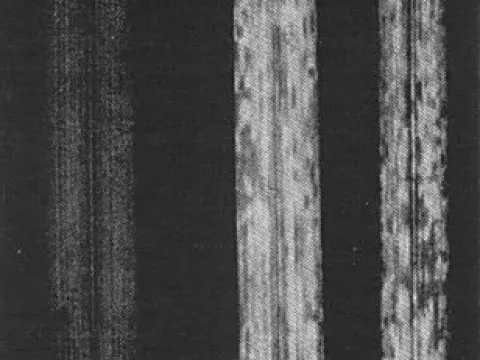
Cocksfoot mottle virus
Panicovirus dactylis
The causal agent of the disease is the Cocksfoot mottle virus (CfMV), which belongs to the genus Sobemovirus (formerly associated with the Panicovirus group). It is a small spherical virus containing a single-stranded RNA genome.
What the section contains
Cocksfoot mottle virus
The virus primarily affects perennial forage grasses belonging to the family Poaceae. The main host plant is Cocksfoot (Dactylis glomerata), which is widely grown for hay and pasture.
The infection is systemic and spreads throughout the entire plant. The virus is capable of surviving for long periods in the root system of perennial grasses during the winter season.
Transmission occurs primarily through insect vectors, specifically leaf-feeding beetles such as Oulema melanopus and members of the Aphthona genus. Mechanical transmission via contaminated machinery or grazing livestock is also a significant factor.
The specific biology of this virus makes it difficult to eradicate in intensive grassland management systems because it easily persists in the living tissues of infected host plants.
Early signs of the disease appear as chlorotic spots and mottling on the leaf blades. As the infection progresses, the tissue areas develop a distinct mosaic-like pattern.
In infected Cocksfoot plants, there is a noticeable suppression of overall growth and development. Leaves may deform, curl, and turn yellow prematurely, leading to a significant loss of photosynthetic activity.
With severe infection, plants become stunted, which drastically reduces their competitiveness in the sward. During the flowering phase, infected specimens often exhibit underdeveloped inflorescences.
Diagnosis is challenging because symptoms can be masked by nitrogen deficiency or by other viral pathogens common in grasses, such as Barley yellow dwarf virus.
For accurate identification in laboratory settings, serological methods such as ELISA (Enzyme-Linked Immunosorbent Assay) are used to detect specific viral antigens.
Warm weather conditions facilitate the development and spread of the virus by stimulating the activity of insect vectors. The most critical period for infection is the spring and summer vegetative phase.
Sward density plays a vital role in the epidemiology: in dense plantings, the virus spreads more rapidly through physical contact between leaves. Frequent mowing also contributes to the spread of the pathogen via contaminated equipment.
The presence of weed species that serve as virus reservoirs significantly increases the risk of infecting main Cocksfoot fields. The infectious background tends to build up on old, degrading pastures.
High soil moisture combined with moderate temperatures promotes biomass growth, which creates a favorable environment for the feeding of insect vectors.
While agricultural practices like high nitrogen application can temporarily mask symptoms, they do not prevent the progression of systemic infection within the plant population.
Cocksfoot mottle virus causes significant damage to the productivity of forage lands. The primary consequence is a substantial reduction in green mass yield and seed production of the sward.
Infected plants drop out of the grass mixture composition faster, allowing less valuable weed species to colonize the area, which leads to the rapid degradation of managed pastures.
The nutritional quality of the forage decreases: due to impaired metabolic processes, the sugar and protein content in the dry matter drops, negatively affecting the quality of hay or silage.
Farmers face the need for premature reseeding of infected areas, which incurs additional economic costs related to soil preparation and seed procurement.
In the long term, the virus renders the use of heavily infected fields economically unviable, forcing producers to reduce the area dedicated to this valuable forage crop.
The primary control measure is the use of resistant Cocksfoot cultivars developed through breeding programs. This is the most effective and environmentally friendly approach to disease management.
It is essential to conduct regular monitoring of insect vector populations. When threshold levels are reached, insecticide applications during the period of active pest flight are necessary to mitigate spread.
Maintaining spatial isolation between new seedlings and old, potentially infected swards helps to reduce the risk of primary viral introduction.
Strict hygiene protocols for harvesting machinery and tools must be followed, especially during mowing, to prevent the mechanical transfer of the virus from infected to healthy patches.
- Regular removal of weed reservoirs surrounding the fields.
- Timely replacement of degraded stands with new, healthy plantings.
- Balanced mineral fertilization to strengthen the natural immunity of the grasses.