
Clover yellow vein virus
Luteovirus trifolii
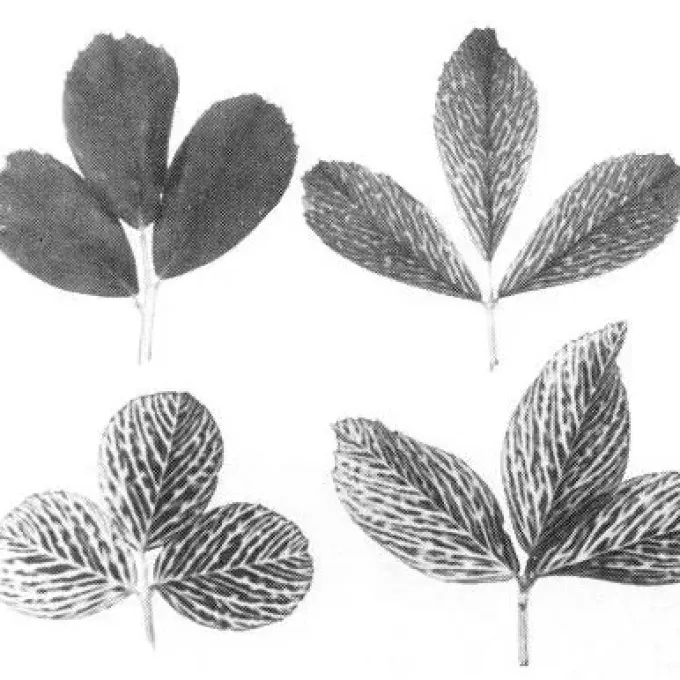
Description
Symptoms
The hallmark of this disease is interveinal chlorosis, which manifests as yellowing or a distinct net-like pattern on the leaves. Symptoms may vary depending on the host cultivar and environmental conditions.
Stunting is a common diagnostic indicator. Infected plants often exhibit reduced internode length, leading to a compact and dwarfed appearance compared to healthy, vigorous plants in the same field.
Foliar deformation, including crinkling or curling of the leaflets, is frequently observed. In severe cases, the leaf surface area is significantly reduced, limiting the plant's photosynthetic potential.
Flower development is often impacted, resulting in fewer blooms or malformed inflorescences. This reproductive impairment is particularly problematic in stands grown primarily for seed production.
Laboratory confirmation through ELISA or RT-PCR is necessary to distinguish ClYVV from nutrient deficiencies or other similar viral diseases that cause yellowing in legumes.
Pathogen
Clover yellow vein virus (ClYVV) is a significant plant pathogen belonging to the Potyviridae family. It is a single-stranded RNA virus that specifically targets legume crops, causing systemic infection.
The virus relies on aphids as primary vectors for its dissemination. It is transmitted in a non-persistent manner, meaning aphids can acquire and transmit the virus within very short feeding periods.
Wild legumes act as natural reservoirs for the pathogen, maintaining the viral presence throughout the year. ClYVV persists in the root systems and crowns of perennial hosts during winter months.
Although it is not seed-borne, the virus spreads rapidly within a field once a source of infection is established, facilitated by the high mobility of aphid populations during the growing season.
At the cellular level, the virus interferes with the plant's protein synthesis and chloroplast function, which ultimately results in the characteristic chlorotic symptoms observed on the foliage.
Why it matters
The economic impact of ClYVV is primarily linked to reduced forage yield and lower biomass quality. Infected clover stands produce less dry matter, which directly affects livestock feed supplies.
The nutritional value of the crop is degraded, with significant decreases in protein and soluble carbohydrate content. This makes the forage less suitable for high-producing dairy or beef cattle.
Systemically infected plants are more susceptible to winterkill and environmental stressors. The virus weakens the root system, leading to poor stand persistence and shorter productive life cycles.
Seed production is heavily compromised, with reported losses in both the quantity and viability of harvested seeds. This hampers the availability of high-quality planting material for subsequent seasons.
Farmers face financial pressure due to the need for premature field renovation and increased costs associated with pest control programs aimed at managing aphid populations.
Protection
The deployment of resistant clover varieties is the most sustainable and effective strategy for managing ClYVV. Breeding programs continue to prioritize resistance traits to combat viral threats.
Integrated pest management (IPM) focusing on aphid control is essential. Timely application of insecticides during peak vector migration periods can help prevent the spread of the virus within the stand.
Cultural practices, such as maintaining adequate spatial isolation from old, infected clover fields, are highly recommended to reduce the risk of primary viral introduction to new plantings.
Effective weed control, particularly targeting wild legume species on field perimeters, removes potential reservoirs of the virus and minimizes local infection pressure throughout the season.
Promoting general plant health through proper fertilization and avoiding plant stress helps the crop withstand viral pressure and maintains the overall productivity of the field for longer periods.
Discussion
No discussions yet — be the first.