
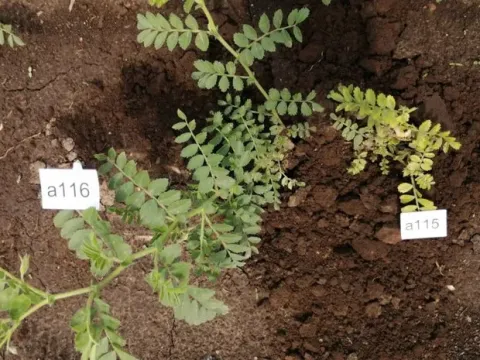
Pea aphid-borne yellows virus
Polerovirus pabyv
The Pea aphid-borne yellows virus (PABYV) is a member of the genus Polerovirus within the family Solemoviridae.
What the section contains
Pea aphid-borne yellows virus
It is a phloem-limited virus, meaning it colonizes the vascular tissues of the host plant, effectively disrupting the transport of nutrients from leaves to pods.
The virus is transmitted in a persistent, circulative, non-propagative manner by specific aphid species, primarily the pea aphid Acyrthosiphon pisum.
Unlike some other plant viruses, PABYV does not spread through mechanical contact or through the seeds of infected plants, which helps in designing containment strategies.
The viral genome is a single-stranded positive-sense RNA, facilitating rapid replication once the virus is successfully introduced into the plant phloem by a vector.
Typical symptoms include systemic yellowing (chlorosis) of the leaves, which often begins at the tips or margins of the upper leaves.
Infected plants exhibit stunted growth and shortened internodes, resulting in a bushy or rosette-like appearance compared to healthy specimens.
The foliage may become thicker and more brittle than normal, reflecting the metabolic imbalances caused by the viral infection within the vascular system.
Reproductive success is severely hampered, with a noticeable reduction in the number of blossoms and the formation of smaller, often deformed pods.
Symptom expression can be influenced by the timing of the initial aphid inoculation and the environmental conditions affecting the plant's overall vigor.
The spread of PABYV is intrinsically linked to the migration patterns and population density of the pea aphid, which thrives in warm, dry weather conditions.
Perennial legumes, such as alfalfa and clover, serve as the primary overwintering reservoirs for the virus, ensuring its survival from one growing season to the next.
The vulnerability of young legume seedlings makes them highly susceptible to early infections when winged aphids migrate from reservoir hosts to commercial fields.
Agricultural landscapes with high diversity of host plants and proximity to perennial legume stands face a higher risk of localized epidemic development.
Environmental stress, such as water deficit, can accelerate the onset of severe symptoms, as the plant has reduced resources to cope with the viral load.
The economic impact of PABYV is significant, as it can cause yield losses ranging from moderate to severe depending on the infection timing and cultivar susceptibility.
By preventing the proper translocation of photoassimilates, the virus results in significantly lower grain weight and reduced seed viability for future plantings.
Quality parameters, such as protein content and seed uniformity, are often compromised, leading to lower marketability of the harvested legume crops.
Viral infection weakens the overall health of the crop, making it more susceptible to opportunistic fungal and bacterial pathogens that might not affect healthy plants.
Management costs are further inflated due to the necessity of intensive aphid control programs aimed at preventing the virus from establishing a foothold in the crop.
Effective management requires integrated pest management (IPM) practices, with a primary focus on suppressing aphid vector populations using systemic insecticides.
Strategic spatial isolation, ensuring that new legume crops are planted at a distance from perennial legume reservoirs, is highly recommended for risk reduction.
Field sanitation, including the destruction of weed hosts and volunteer legumes, helps minimize the sources of primary inoculum within the agricultural area.
Selecting and breeding for resistant or tolerant crop varieties remains the most sustainable approach to long-term control of this viral pathogen.
- Deploy yellow sticky traps for monitoring aphid flight and population density.
- Utilize early planting to allow crops to pass sensitive stages before peak aphid migration.
- Encourage natural predators and parasitoids to keep aphid populations below economic injury levels.