
Passiflora yellow mosaic virus
Potyvirus passifloraflavi
The causative agent is the Passiflora yellow mosaic virus (PYMV), a member of the Potyvirus genus. It is characterized by filamentous viral particles containing single-stranded RNA.
What the section contains
Passiflora yellow mosaic virus
The virus acts as a systemic pathogen, hijacking the host plant's cellular machinery to replicate its genetic material and propagate throughout the plant tissues.
It is primarily transmitted in a non-persistent or semi-persistent manner by aphid vectors, which acquire and inoculate the virus during brief feeding sessions on the host plant.
Mechanical transmission is also a significant pathway, especially when contaminated pruning tools are used across healthy and infected passion fruit vines.
The virus maintains long-term persistence in perennial host reservoirs, making it difficult to eradicate completely once it is established in a growing area.
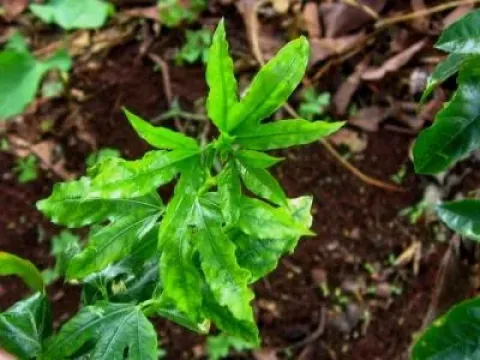
The most prominent symptom is the development of yellow mosaic patterns on the foliage, ranging from discrete mottling to bright yellow blotches across the leaves.
Infected plants exhibit stunted growth and significant leaf deformation, including curling, crinkling, and a generally twisted appearance of the terminal shoots.
The fruit produced by infected vines may show necrosis, uneven ripening, and surface defects that render them unsuitable for high-quality market standards.
Symptoms may fluctuate in intensity depending on environmental conditions, with some leaves showing severe chlorosis while others show milder distortion patterns.
Diagnosis in the field is usually presumptive based on visual assessment, while definitive confirmation requires laboratory analysis like ELISA or PCR testing.
Viral spread is closely correlated with the population dynamics of aphid vectors; high aphid activity during the growing season directly accelerates the rate of infection.
Warm and humid conditions favor both the growth of passion fruit vines and the proliferation of insect vectors, creating a high-risk window for disease transmission.
Overcrowded orchards with poor air circulation can exacerbate the spread of aphids, making it easier for the virus to move between adjacent plants.
Poor sanitation practices, such as failing to disinfect equipment between vines, allow the virus to be moved mechanically throughout the entire plantation.
Weed species surrounding the crop area often harbor the virus, acting as a green bridge for the pathogen during the off-season or between planting cycles.
The primary economic impact is a dramatic reduction in fruit yield, both in quantity and quality, leading to significant financial losses for growers.
Persistent viral infection severely weakens the plant, making it more susceptible to opportunistic fungal and bacterial pathogens that can further compromise vine health.
Reduced photosynthetic capacity due to chlorosis slows down the plant's metabolism, resulting in shorter life spans and poor development of the root system.
Marketability is severely affected, as deformed and mottled fruit cannot compete with healthy produce, forcing farmers to cull infected harvests.
Without curative treatments for plants, the infection necessitates early plantation removal, which disrupts production cycles and increases operational costs.
The most effective strategy is the use of pathogen-free, certified nursery stock produced under strict virus-indexed protocols to ensure a healthy start.
Rigorous phytosanitary surveillance is essential, involving the immediate rogueing and disposal of any plants displaying symptoms of yellow mosaic.
Integrating chemical control measures against aphid populations helps to break the transmission cycle and slow down the spread of the virus within the orchard.
- Sanitizing pruning tools with disinfectant solutions between each vine.
- Eliminating weed reservoirs in the vicinity of passion fruit cultivation areas.
- Implementing spatial isolation between new seedlings and established older vines.
Ongoing research into breeding resistant or tolerant cultivars offers the most sustainable long-term solution for managing PYMV in commercial production.