
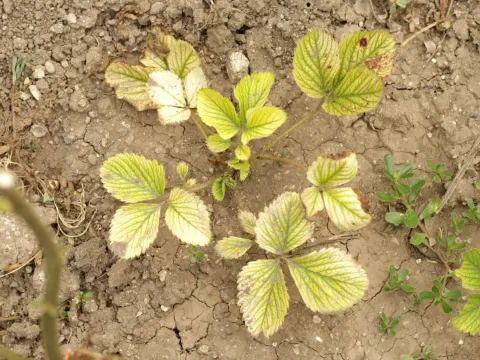
Strawberry ilarvirus
Ilarvirus slv
The causal agent is the Strawberry necrotic shock virus (SNSV), which belongs to the genus Ilarvirus. These viruses are known for their specific interaction with plant host tissues.
What the section contains
Strawberry ilarvirus
This is a systemic viral disease that affects the entire plant once established. The virus hijacks the cellular machinery to replicate and spread throughout the vascular system.
The virus is an obligate parasite, meaning it cannot survive or reproduce outside of a living host cell, which dictates its survival strategy.
Ilarviruses are characterized by their ability to remain latent in host plants, often showing no visible symptoms for extended periods.
Pathogen spread is largely facilitated by human activity, including the distribution of infected nursery stock and contaminated agricultural tools.
Symptoms often manifest as necrotic shocks on young leaves in early spring, appearing as distinct light-colored spots or rings.
Leaf tissues may exhibit curling, wrinkling, and distortion, which significantly inhibits the photosynthetic capacity of the plants.
Stunted growth is a hallmark of the infection, where affected plants remain significantly smaller than their healthy counterparts.
Flower formation can be affected, leading to reduced yield and deformed, unmarketable berries that lack proper size and color.
- Necrotic spots and rings on young spring foliage.
- Leaf curling and significant morphological distortion.
- General stunted appearance and lack of vigor.
- Reduced fruit quality and lower yields.
The primary transmission route is through infected vegetative propagation material, as the virus persists systemically in stolons and crowns.
Insect vectors, particularly thrips, play a critical role in spreading the virus between plants during the active growing season.
Environmental stressors, such as extreme temperature fluctuations and drought, can trigger the transition from a latent to an acute symptomatic state.
High-density planting layouts provide ideal conditions for the movement of vectors and facilitate rapid horizontal spread within the field.
Weed hosts in surrounding areas can serve as reservoirs, allowing the virus to persist even after the main crop has been removed.
The economic impact is primarily driven by the significant reduction in marketable yields and the decrease in fruit quality standards.
Viral infection weakens the overall health of the strawberry stand, reducing its tolerance to winter frost and other abiotic stressors.
The premature decline of infected plantations necessitates early removal, leading to substantial financial losses for growers.
The persistent nature of the virus makes it a long-term threat to farm biosecurity, requiring strict isolation of affected zones.
Global trade in plant material is affected by such viruses, leading to rigorous quarantine measures to prevent their international spread.
The most reliable control measure is the exclusive use of certified virus-free nursery stock produced through tissue culture techniques.
Consistent field scouting is essential to identify and immediately rogue out any plants showing suspicious viral symptoms.
Implementing an integrated pest management (IPM) program focused on controlling thrips and other insect vectors is vital for field protection.
Strict sanitation protocols, including the sterilization of pruning shears and other tools, are necessary to prevent mechanical transmission.
Maintaining strong plant health through balanced nutrition and effective weed management reduces the plant's susceptibility to disease development.