
Elm mottle virus
Ilarvirus emov
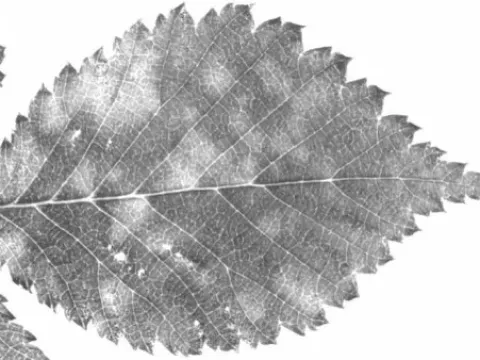
The primary symptom of Elm mottle virus (EMV) infection is the development of distinct chlorotic spots, patterns, or mottling on the leaf surfaces of affected elm trees.
What the section contains
Elm mottle virus
As the infection progresses, these chlorotic areas often become necrotic, leading to the death of plant tissue, characterized by brown or black patches on the leaves.
Leaves may show significant deformation, curling, or reduction in size, which can affect the overall aesthetic quality and vigor of the tree's canopy.
Premature leaf drop is commonly observed in heavily infected trees, which disrupts the tree's photosynthesis and limits the accumulation of energy reserves for the following growing season.
In chronic cases, the tree may exhibit stunted growth, a sparse canopy, and a general decline in vitality, making it prone to other environmental stressors.
The pathogen responsible for this disease is the Elm mottle virus, which is a member of the genus Ilarvirus, characterized by its positive-sense RNA genome.
The virus is primarily disseminated through vegetative propagation, including the use of infected cuttings or scions in grafting, which allows the virus to persist in nurseries.
Transmission can also occur through infected pollen, which facilitates the spread of the virus across broader geographical areas between compatible tree varieties.
Natural root grafting between adjacent trees provides another pathway for the virus to spread, especially in high-density plantings or forest stands.
While the role of specific insect vectors for Ilarviruses is still being researched, some mechanical transmission via pruning tools or feeding insects has been documented in various plant hosts.
Environmental stress, such as drought, nutrient deficiency, or poor soil quality, significantly increases a tree's susceptibility to becoming infected by EMV.
High humidity and optimal temperatures during the active growth phase can accelerate the manifestation of viral symptoms on the foliage.
Improper maintenance practices, specifically the use of unsterilized pruning equipment, are a major factor in the human-aided spread of the virus within urban environments.
Sudden changes in climate or extreme temperature fluctuations can weaken the natural defense mechanisms of elms, making them more vulnerable to the establishment of the virus.
The virus's activity is closely tied to the host's physiological cycles, with peak movement of viral particles occurring during periods of rapid sap flow and new shoot development.
The most significant impact is the permanent loss of ornamental value, which renders affected elm trees unsuitable for landscaping and urban greening projects.
Infection compromises the host's health, often leading to secondary infestations by wood-boring insects, such as bark beetles, which can accelerate the tree's decline.
For tree nurseries, the presence of the virus is economically damaging, as entire batches of infected seedlings must be destroyed to contain the spread.
EMV reduces the cold hardiness of elm trees, making them more susceptible to frost damage during harsh winters that healthy trees would otherwise survive.
Infected trees serve as reservoirs for the pathogen, posing a continuous threat to nearby healthy elms and other sensitive ornamental species in the surrounding area.
The cornerstone of management is the use of healthy, virus-indexed nursery stock obtained through professional certification programs to ensure disease-free beginnings.
Rigorous sterilization of pruning tools with appropriate disinfectants, such as bleach solutions or ethanol, is essential after working on each individual tree to prevent mechanical transmission.
Early identification and removal of infected individuals, followed by proper disposal, are critical steps for reducing the pathogen load within a specific site.
- Conduct regular inspections to detect early signs of leaf mottling or necrosis.
- Maintain optimal tree health through balanced fertilization and adequate irrigation to improve resistance.
- Monitor and manage potential insect vectors that could aid in viral transmission within the nursery or garden.
As there are no curative chemical treatments for viral infections in woody plants, a proactive approach focused on sanitation and prevention is the only effective control strategy.