
Endornavirus
Endornavirus
Endornavirus is a genus of plant-infecting viruses that are characterized by their unique, latent lifestyle. They contain a single-stranded RNA genome and typically persist within the host without causing visible symptoms.
What the section contains
Endornavirus
These viruses are classified as obligate endosymbionts. They reside deep within the plant tissues and do not require external vectors such as aphids, whiteflies, or beetles to spread between individual plants.
The primary transmission route is vertical, meaning the virus is passed through seeds and pollen from the parent plant to its offspring. This allows the virus to survive indefinitely within a plant line.
Unlike many other plant viruses, endornaviruses do not form typical infectious virions that cause cellular lysis. Instead, they replicate internally and integrate into the metabolic processes of the host cell.
Endornaviruses have been identified in a wide range of economically significant crops, including legumes, rice, and several fruit-bearing plants, often remaining undetected for decades of cultivation.
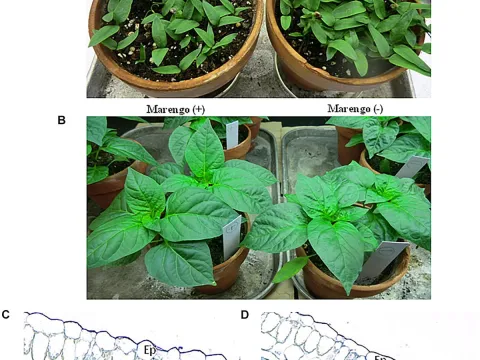
The most distinctive characteristic of an Endornavirus infection is the complete absence of visible symptoms. The plants appear healthy, with normal growth rates, foliage color, and fruit development.
Because there are no chlorotic spots, mosaic patterns, or leaf curling, farmers often cannot detect the virus during routine field scouting. It is a classic "silent" infection.
Detection is only possible through sophisticated laboratory techniques. Molecular diagnostics, such as RT-PCR and high-throughput sequencing, are required to identify the presence of the viral genome within the tissues.
Sometimes, very subtle physiological changes can be observed under controlled laboratory conditions, but these are rarely specific enough to serve as a visual diagnostic marker in an agricultural setting.
Due to the lack of clinical signs, endornaviruses are frequently overlooked in breeding programs, which can lead to the widespread dissemination of infected seed stocks without the knowledge of the producer.
While often described as asymptomatic, endornaviruses may impose a fitness cost on the host plant. They can indirectly affect the plant's ability to cope with environmental stresses like drought or heat.
The main economic harm is associated with the limitations placed on seed trade. Countries may have strict quarantine regulations that prohibit the import of seed lots infected with even asymptomatic viruses.
Long-term colonization by the virus may lead to subtle shifts in plant metabolism, which can influence the quality of the harvest or the efficiency of nutrient utilization over many generations.
In some crops, studies suggest that endornaviruses may slightly reduce yield or alter the profile of secondary metabolites, which could impact the organoleptic properties of the produce.
Because the virus is persistent and vertically transmitted, the cumulative risk to a plant breeding program is significant, as it can reduce the overall vigor and quality of elite germplasm over time.
The most effective strategy for managing endornaviruses is the use of certified virus-free seeds. Ensuring the parent plants are screened and verified as pathogen-free is critical.
Meristem tissue culture is the gold standard for producing virus-free foundation stock. This technique allows for the regeneration of plants that are completely free from the internal viral genome.
Regular molecular monitoring of breeding lines is essential for seed producers to ensure the health of their materials and to maintain compliance with international phytosanitary standards.
Since the virus is not spread by vectors, traditional insecticide programs are ineffective. Efforts should focus entirely on sanitation of the germplasm rather than field protection against insects.
Future agricultural resilience depends on the development of resistant varieties through marker-assisted selection, which can help eliminate the virus during the early stages of a breeding program.