
Elderberry ring spot virus
Pelarspovirus sambuci
Description
Symptoms
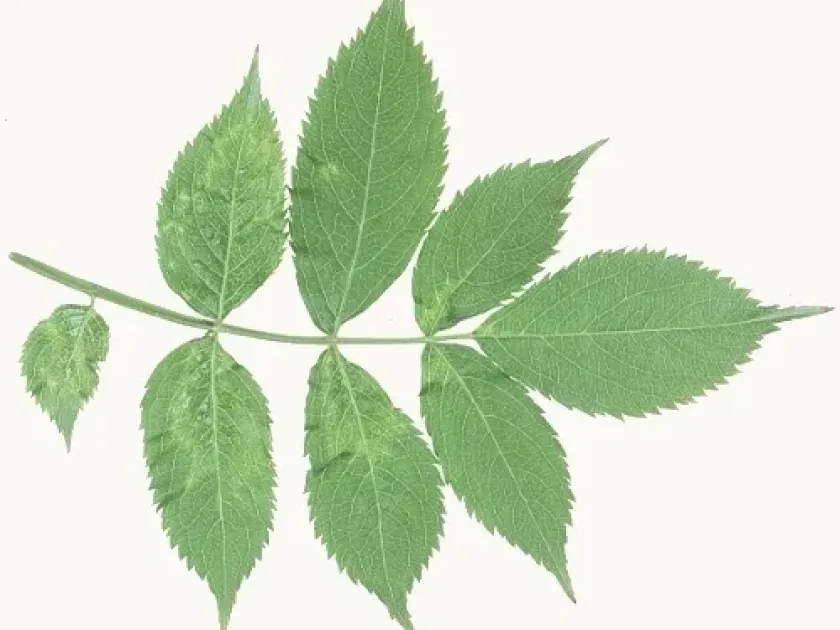
The most distinctive symptom of the infection is the development of chlorotic ring spots and mosaic patterns on the leaves. These patterns often appear as concentric circles or wavy lines, clearly marking the presence of the pathogen.
Leaf deformation is a common secondary symptom. Infected leaves may become puckered, asymmetric, or reduced in size, which significantly impairs the photosynthetic capacity and overall health of the shrub.
Systemic infection often leads to stunted growth, characterized by shortened internodes and a decrease in total leaf biomass. The plant appears weak and lacks its normal vigorous growth habit.
Flowers and fruits may also show signs of the disease, including poor blooming, malformed fruit clusters, or irregular coloration. In fruit-bearing varieties, this directly leads to a substantial loss in marketable yield.
Symptoms are most pronounced during the active growing season. Environmental stress, such as drought or excessive heat, can exacerbate the visual manifestation of these symptoms by further weakening the host plant.
Pathogen
The Elderberry ring spot virus, taxonomically classified as a member of the Pelarspovirus genus, is the causal agent of this plant disease. It acts as an obligate parasite, manipulating the host's cellular machinery to facilitate its own replication.
The primary hosts of this pathogen are various Sambucus (elderberry) species. The virus exhibits a systemic infection cycle, meaning it spreads throughout the vascular system of the host plant, affecting both vegetative and generative organs.
This pathogen is primarily transmitted through the propagation of infected nursery stock, such as cuttings or suckers. It represents a significant challenge to plant propagators who may inadvertently spread the virus through grafting techniques.
Mechanical transmission is a critical pathway for the spread of the virus within orchards or nursery blocks. Wounded tissues during pruning or maintenance activities serve as entry points for the viral particles.
Like many plant viruses, it lacks a curative chemical treatment, making it a persistent and difficult pathogen to manage once it has established itself within the plant's systemic circulation.
Why it matters
The virus causes a permanent decline in the vigor and longevity of elderberry shrubs. Once infected, a plant rarely recovers, leading to a progressive deterioration that eventually renders it non-productive.
In nursery settings, the virus is highly detrimental as it can render entire blocks of stock unsalable, causing significant economic losses for growers who rely on clean, disease-free plant material.
By compromising the plant's immune system, the virus makes elderberries more susceptible to opportunistic secondary infections, such as fungal pathogens or pests, which further complicate the diagnosis and management.
The loss of aesthetic value is a major concern for landscape plantings, where the distorted foliage and stunted appearance ruin the intended design effect of the ornamental shrubs.
Infection cycles are difficult to break, as the virus can persist in the soil or in asymptomatic reservoirs, posing a latent threat to any new, susceptible plants introduced to the same area.
Protection
The most effective strategy for disease management is the exclusive use of virus-indexed, certified nursery stock. Planting healthy material is the only way to avoid the introduction of the pathogen into the landscape.
Sanitation practices in the nursery and garden are paramount. All pruning tools and equipment should be thoroughly disinfected with appropriate antimicrobial solutions after each use to prevent cross-contamination.
Integrated Pest Management (IPM) should be implemented to control potential insect vectors. Regular monitoring and timely application of controls help minimize the likelihood of viral spread between individual plants.
Rogueing is essential: any plant suspected of being infected must be completely removed, including its root system, and disposed of through burning or deep burial to eliminate the local inoculum source.
Maintaining optimal plant health through proper fertilization and irrigation helps the shrub tolerate stress, although this should always be coupled with strict isolation of any potentially symptomatic specimens.
Discussion
No discussions yet — be the first.