
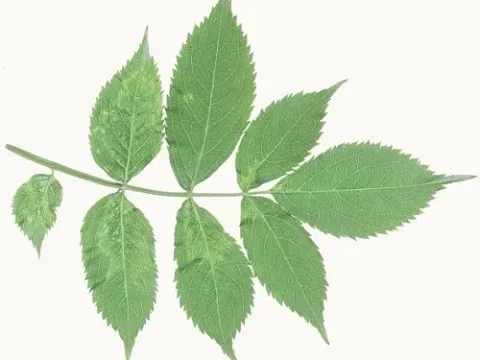
Elderberry virus
Sambucus virus
The Elderberry virus (Sambucus virus) is a systemic pathogen that affects plants within the Sambucus genus. It acts by infiltrating the plant's vascular system, disrupting normal physiological processes and cellular metabolism.
What the section contains
Elderberry virus
This virus primarily infects various species of elderberry, causing chronic infection. Once a plant is infected, the virus spreads throughout its tissues, including roots, stems, and leaves, making it a persistent disease agent.
Transmission occurs through mechanical vectors, including contaminated pruning tools, as well as biological vectors like aphids or mites that feed on plant sap. The spread is often subtle but rapid during the growing season.
The virus survives within the living tissue of the host plant. These infected plants serve as a reservoir for the pathogen, sustaining its presence in the environment year-round.
The biological nature of this pathogen involves high adaptability to the host's stress levels. Weakened plants often show more severe symptoms as the virus exploits the lack of plant vigor.
The most common symptoms include mosaic patterns on the foliage, characterized by light green, yellow, or white patches. Leaves often become deformed, crinkled, or exhibit stunted growth.
Growth abnormalities are frequently observed, such as shortened internodes and a general reduction in the size of new shoots. The entire shrub may appear thin, pale, and visually unattractive.
Chlorosis, especially along the leaf veins, is a hallmark of the infection. In some cases, necrotic spots may develop on the stems or leaves, signaling significant tissue damage.
Reproductive success is severely impacted; flowering becomes sparse, and berry production is either drastically reduced or completely halted. The fruit that does form may be small and malformed.
- Mosaic leaf patterns
- Leaf distortion and curling
- Stunted shoot growth
- Interveinal chlorosis
- Failed or poor berry set
The spread of the Elderberry virus is favored by warm, humid weather conditions that promote the rapid movement and reproduction of insect vectors. These conditions create an ideal environment for secondary infections.
Crowded plantings and lack of proper aeration contribute to the spread of the disease. Dense foliage provides shelter for pests that carry the virus from one plant to another.
Environmental stress, such as water deficit or poor soil nutrition, compromises the plant's defense mechanisms. A stressed shrub is significantly more susceptible to successful viral infection.
Inadequate sanitation practices are the primary driver of transmission. Using unsterilized pruning shears or saws can easily transfer the virus from an infected plant to a healthy one in a single cut.
The proximity of alternative host weeds can also maintain a high viral load in the garden, as many common weeds serve as symptomless carriers for various plant viruses.
The Elderberry virus significantly harms the horticultural value of plantings. Infected shrubs lose their decorative appeal and become unsightly, failing to thrive in landscaping or garden settings.
Systemic damage means that the plant is permanently compromised. There is no cure for this viral infection, leading to a slow decline in the health of the plant over several growing seasons.
The economic impact is notable for growers who rely on elderberry for fruit production. Reduced harvests and lower quality of berries lead to direct losses in output and overall profitability.
Once established, the virus can force the removal of entire plantings to prevent further contamination of nearby healthy shrubs, leading to significant landscape management costs.
Chronic infection weakens the shrub's overall tolerance to other environmental threats, including winter hardiness and pest attacks, ultimately leading to plant death.
The primary control strategy is rigorous sanitation. Infected plants should be identified, removed, and destroyed by burning to eliminate the virus reservoir from your garden.
Disinfecting all pruning tools is essential. Use a solution of alcohol or specialized horticultural disinfectants to sanitize tools after each use to prevent mechanical transmission of the virus.
Active pest management is required to control populations of aphids, mites, and other sap-sucking insects. Regular applications of insecticides or acaricides can help break the cycle of viral transmission.
Only select and plant certified, virus-free nursery stock. Avoid propagating elderberry using cuttings from plants that show any signs of stunted growth or abnormal leaf patterns.
Maintaining optimal plant health through proper fertilization, adequate watering, and consistent garden maintenance helps shrubs build natural resilience against pathogenic stress.