
Elaviroid
Elaviroid
Elaviroid is a plant disease caused by a viroid, which is a subviral pathogen consisting of a short, circular, single-stranded RNA molecule.
What the section contains
Elaviroid
Unlike viruses, the elaviroid pathogen lacks a protein coat and relies entirely on the host plant's internal machinery for successful replication.
The transmission of this pathogen primarily occurs through mechanical means, such as the use of contaminated gardening tools or human intervention.
Once inside the host, the viroid disrupts the regulation of gene expression, causing profound disturbances in the plant's physiological development.
The biological nature of elaviroid makes it highly persistent, allowing it to survive for extended periods on various surfaces and in soil debris.
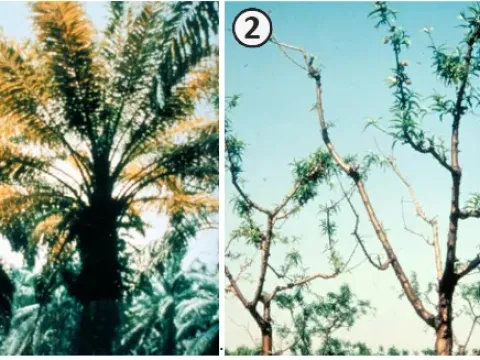
The most characteristic symptoms of elaviroid infection include severe stunting of the plant, which results in reduced growth rates and poor yields.
Leaves often show visible signs of distortion, such as leaf curling, crinkling, or the development of abnormal yellow-green patterns known as chlorosis.
In many crops, the disease causes the shortening of internodes, which gives the plant a compact and abnormally dwarfed appearance.
Reproductive growth is severely hampered, leading to reduced flower set, misshapen fruit, and a significant drop in overall crop quality.
Advanced stages of the disease may manifest as systemic necrosis, where the vascular tissue becomes blocked, eventually leading to plant death.
The spread of elaviroid is significantly favored by high relative humidity, which helps maintain the viability of the pathogen outside the host.
Warm temperatures, generally ranging from 20 to 30 degrees Celsius, accelerate the replication cycle of the viroid within plant cells.
Inadequate sanitation practices, such as failing to disinfect cutting tools between plants, are the primary drivers for disease outbreaks.
High planting density promotes rapid transmission, as overlapping leaves and roots allow for easier mechanical transfer of the infectious agent.
The presence of insect vectors that feed on plant sap can inadvertently spread the viroid from infected to healthy plants within the field.
Elaviroid is highly damaging to agricultural output, often leading to losses exceeding 50% of the total harvest in sensitive plant varieties.
The quality of the produce is severely compromised, rendering it unsuitable for the fresh market or long-term industrial processing.
Infected crops are significantly less resistant to other environmental stressors, making the field more susceptible to secondary pest and disease attacks.
The persistent nature of the viroid means that entire fields may need to be cleared and fallowed to ensure the pathogen is fully eradicated.
Economic stability for farmers is threatened as seed quality declines, forcing the continuous acquisition of expensive, certified clean material.
The most effective strategy for managing elaviroid is the implementation of strict quarantine measures and the use of certified pathogen-free seeds.
Regular sanitation of all farm equipment, especially pruning tools, using effective disinfectants is crucial to prevent mechanical disease spread.
Early identification and rigorous roguing of symptomatic plants, followed by their immediate destruction, are essential to limit secondary spread.
Developing integrated pest management programs to control potential vectors is a recommended practice to reduce the incidence of infection.
Long-term prevention relies on the selection and cultivation of resistant cultivars that show tolerance or immunity to specific viroid strains.