
Cotton virescence
Cotton virescence
Cotton virescence is caused by a phytoplasma, an obligate parasite that lacks a cell wall and primarily colonizes the phloem tissues of the host plant. These specialized bacteria disrupt normal plant physiological processes.
What the section contains
Cotton virescence
The transmission of the disease is mediated by insect vectors, primarily leafhoppers. These insects acquire the pathogen by feeding on infected plants and then transmit it to healthy cotton plants during subsequent feeding events.
Once introduced into the plant, the phytoplasma moves systemically through the phloem. Its survival is dependent on the host plant, and it cannot exist independently in the environment for long periods.
The biological nature of the pathogen makes it difficult to eliminate once established within the vascular system. Diagnosis often requires molecular methods like PCR due to the difficulty of culturing the pathogen.
Because the disease relies entirely on insect vectors for dissemination, managing the population dynamics of these insects is the primary focus of current pathological research.
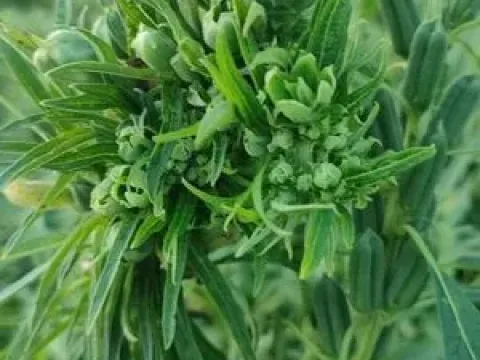
The most diagnostic symptom of virescence is the greening of flower petals, which would otherwise be white or cream-colored. This occurs because the pathogen induces chlorophyll production in non-green organs.
Phyllody is frequently observed, where floral parts such as stamens and pistils are transformed into leaf-like structures, effectively rendering the flower sterile and unable to produce seeds.
Infected plants typically exhibit severe stunting and reduced internode length. They often show excessive branching, creating a bushy, broom-like appearance commonly referred to as a "witches' broom."
Leaves may show yellowing (chlorosis) and deformation, often accompanied by an increase in the thickness of the leaf blade. The overall vigor of the plant is significantly compromised.
Cotton bolls on diseased plants are usually small, malformed, and often fail to open properly. Many bolls may abort prematurely before reaching maturity, leading to a complete loss of harvestable cotton.
The incidence of cotton virescence is closely linked to the population density and movement of leafhopper vectors. Warm and dry weather conditions generally favor the activity of these insects.
Weed hosts in and around cotton fields serve as critical reservoirs for the phytoplasma during the off-season. When insects move from these weeds to young cotton plants, the disease spreads rapidly.
Monoculture or continuous cotton cropping systems often exacerbate the disease by providing a constant supply of host plants, allowing the phytoplasma to persist and multiply over years.
Agronomic stress factors, including nutrient deficiencies and drought, can make plants more susceptible to the systemic effects of the phytoplasma, making symptoms more severe.
Fields located near wild, undisturbed habitats often see higher infection rates, as these areas provide a stable refuge for the insect vectors that carry the pathogen.
The primary economic impact is the severe reduction or total loss of cotton yield. Sterility caused by phyllody means that no productive bolls are formed on affected branches.
The fiber quality of any bolls produced on diseased plants is significantly reduced. The fiber is usually immature, weak, and brittle, making it unsuitable for commercial processing.
The systemic nature of the infection drains energy from the plant, weakening its natural defense mechanisms and making it more prone to other abiotic and biotic stressors.
Management costs increase significantly due to the necessity of frequent insecticide applications aimed at suppressing the insect vectors, which complicates integrated pest management goals.
The loss of yield in severely infected fields often renders cotton production unprofitable, forcing farmers to abandon fields or switch to alternative crops that are not susceptible to the same phytoplasma strains.
- Rigorous weed management in and around fields to eliminate alternate hosts for the phytoplasma and insect vectors.
- Application of systemic insecticides to control leafhopper populations, especially during the early growth stages of the cotton.
- Implementing crop rotation with non-host plants to disrupt the insect-pathogen disease cycle.
- Using healthy, certified seeds and avoiding the use of plant material from previously infected areas.
- Prompt roguing and destruction of symptomatic cotton plants to reduce the local inoculum source for remaining plants in the field.