
Strawberry chlorotic fleck-associated virus
Closterovirus fragariae
The disease is caused by the Strawberry chlorotic fleck-associated virus (SCFaV), which is classified within the Closteroviridae family. It is a persistent, phloem-limited virus that affects the vascular health of strawberry plants.
What the section contains
Strawberry chlorotic fleck-associated virus
Transmission occurs specifically through insect vectors rather than mechanical sap contact. The virus replicates within the host's cells, systematically invading the plant's metabolic pathways.
The host range is primarily limited to species within the genus Fragaria. The pathogen often exhibits a latent phase where plants remain symptomless for extended periods while serving as infection sources.
The viral genome is highly adapted to the host, allowing it to persist throughout the plant's life cycle. This longevity makes it difficult to detect without specialized molecular diagnostic methods.
Infection is predominantly spread through the movement of infected vegetative propagating material, ensuring the virus is introduced into new farming regions effectively.
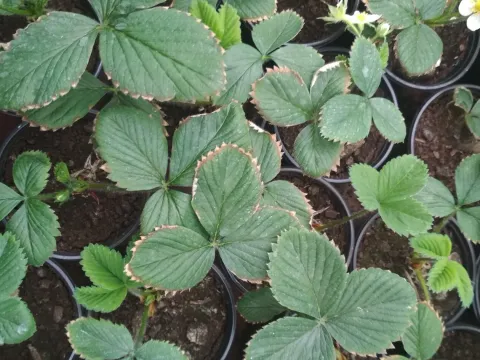
The hallmark of the disease is the development of chlorotic flecks or yellowing along the margins of the leaflets, giving the foliage a variegated appearance.
Advanced stages of the infection are characterized by severe leaf distortion, puckering, and reduction in leaflet size, which significantly disrupts the plant's photosynthetic capacity.
Symptoms are most visible during the cool, active growth phases in spring. During the heat of the summer, the signs may become masked, complicating field identification.
Infected plants exhibit stunted growth, reduced petiole length, and a general lack of vigor compared to healthy neighboring plants in the same row.
The leaves of affected plants often develop a leathery texture and show premature yellowing, which eventually leads to a decline in the overall health of the crown.
The primary vector for the transmission of SCFaV is the strawberry aphid, Chaetosiphon fragaefolii. The virus is transmitted in a semi-persistent manner.
Once the aphid feeds on an infected plant, it can retain the virus and transmit it to a healthy host during subsequent feeding sessions, facilitating rapid spread.
Environmental conditions that favor aphid population explosions, such as moderate temperatures and low precipitation, directly influence the rate of viral spread.
Field spread is often clustered around initial infection points, with the virus moving from plant to plant as winged aphids disperse throughout the strawberry bed.
High-density planting systems provide a continuous bridge for vectors, making large-scale strawberry production particularly susceptible to viral epidemics.
The economic impact of the virus is significant, as it leads to substantial reductions in both fruit yield and berry quality, making the produce unmarketable.
Chronic infection weakens the strawberry plant, reducing its ability to withstand abiotic stressors like drought, frost, or heat, ultimately shortening the productive life of the bed.
In strawberry nurseries, the presence of the virus is catastrophic, as it leads to the widespread dissemination of contaminated runners, causing long-term financial losses.
The virus reduces the plant's vigor, making it more susceptible to opportunistic secondary infections, which further complicates the health of the commercial strawberry crop.
Long-term infestation can lead to the total decline of an entire plantation, necessitating complete field renovation and the removal of all remaining plant material.
The most effective management strategy is the exclusive use of virus-free, certified strawberry transplants sourced from reputable, high-sanitation nursery programs.
Integrated Pest Management (IPM) is essential, focusing on the rigorous control of aphid populations using targeted insecticidal applications throughout the growing season.
Sanitation practices such as the immediate rogueing and destruction of symptomatic plants are critical to limiting the source of primary inoculum in the field.
- Regular scouting for aphid vectors on leaf undersides.
- Application of systemic insecticides to interrupt virus transmission.
- Establishing new plantings far from old, potentially infected beds.
- Utilizing row covers to provide a physical barrier against aphid colonization.
For high-value mother stocks, meristem culture combined with heat therapy is employed to eliminate viral particles and ensure the production of healthy progeny.