
Hydrangea carlavirus
Carlavirus hydrangeae
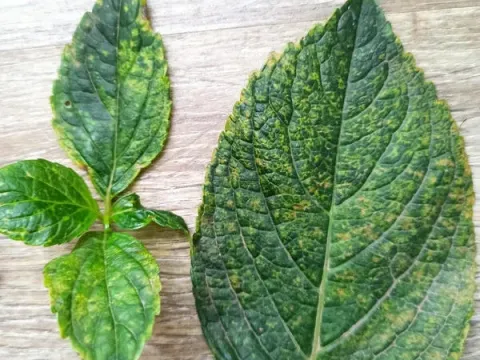
The primary symptom of this virus infection is the development of chlorosis on the leaves, appearing as yellow spots, mottling, or mosaic patterns often concentrated along the leaf veins.
What the section contains
Hydrangea carlavirus
In many cases, the leaf blades become deformed, showing signs of asymmetry, crinkling, or wavy edges, which significantly detracts from the plant's ornamental appeal during the growing season.
Infected hydrangea plants often show general stunting, characterized by reduced growth rates and smaller leaf sizes compared to healthy specimens of the same variety.
Flowering is usually negatively impacted, resulting in sparse, underdeveloped inflorescences, or sometimes a total failure to bloom, making the plant look lackluster.
Since symptoms can mimic nutrient deficiencies or environmental stress, definitive diagnosis typically requires professional laboratory testing like ELISA or PCR assays.
The pathogen is a virus belonging to the Carlavirus genus, a group of plant viruses containing single-stranded RNA that specifically infects members of the Hydrangeaceae family.
The primary mode of dissemination is through vegetative propagation, as the virus is easily transferred when infected cuttings are used to grow new hydrangea plants.
Insect vectors, particularly various species of aphids, are crucial for the spread of the virus in outdoor settings, as they transmit the pathogen while feeding on plant sap.
Mechanical transmission is a common occurrence during routine garden maintenance, such as pruning or pinching, if tools are not properly sanitized between individual plants.
The virus is highly stable within host plant tissues, allowing it to persist in the plant's woody or herbaceous parts throughout the winter and cause recurring symptoms in subsequent seasons.
The proliferation of the virus is significantly enhanced by high populations of insect vectors, especially during warm and humid weather conditions favorable for aphid reproduction.
High-density plantings, common in commercial nurseries, create ideal conditions for the rapid transmission of the pathogen through physical leaf contact or the movement of insects between adjacent plants.
The overall vigor and resistance of the hydrangea plant play a role; improper cultivation practices that weaken the plant make it more susceptible to successful virus infection.
The use of infected, non-certified planting material is the single most significant risk factor for introducing the disease into a new collection or garden landscape.
Environmental conditions do not dictate the presence of the virus but strongly influence how visible the symptoms become to the gardener during the active growth phase.
The damage caused by the carlavirus is persistent and chronic, as there are no chemical therapeutic treatments currently available to cure infected hydrangea bushes.
Infected plants suffer from a continuous decline in aesthetic value, rendering them unsuitable for high-end landscape design or commercial sales in nurseries.
The virus drains the plant's resources, which reduces its overall health and leaves it significantly more prone to secondary infections from fungi and opportunistic bacterial pathogens.
For growers, the presence of this virus often leads to severe economic losses due to the necessity of culling infected stock to prevent the spread to the rest of the nursery's inventory.
Ultimately, the loss of plant vigor and the degradation of leaf tissue shorten the lifespan of the shrub, leading to premature plant death or total lack of reproductive potential.
The most effective strategy is to source and plant only certified, virus-free hydrangea stock, preferably produced through reliable tissue culture (in vitro) laboratories.
Strict sanitation protocols must be followed: all pruning tools must be disinfected with alcohol or a bleach solution between every single plant to prevent mechanical transmission.
Integrated pest management is essential, focusing on the rigorous control of aphid populations and other potential sucking insect vectors throughout the growing season.
Once an infection is confirmed, the recommended procedure is to promptly remove and destroy the entire plant, including the root system, to eliminate the local virus reservoir.
Maintaining optimal growing conditions, including proper fertilization and soil management, helps the plant remain robust and potentially better able to tolerate the pressure of infection.