
Horseradish curly top
Curtovirus armoraciae
The causative agent of this disease is the Horseradish curly top virus, which belongs to the Curtovirus genus. This systemic viral infection targets the vascular tissues of the plant, specifically the phloem.
What the section contains
Horseradish curly top
The virus is transmitted by specific insect vectors, primarily leafhoppers. The virus enters the insect's body through feeding and is subsequently injected into healthy plants, establishing a cycle of transmission.
Once inside the plant, the virus replicates and spreads throughout the phloem, disrupting the translocation of nutrients and water. There is currently no chemical cure for this virus, making prevention the only viable management strategy.
The virus exhibits stability within its vectors, allowing it to survive for extended periods. The interaction between the viral biology and the migratory patterns of leafhoppers is the primary driver of disease outbreaks.
Weed hosts in the surrounding areas serve as critical reservoirs for the virus during the off-season. When insects move from these wild hosts to horseradish fields, the infection cycle restarts.
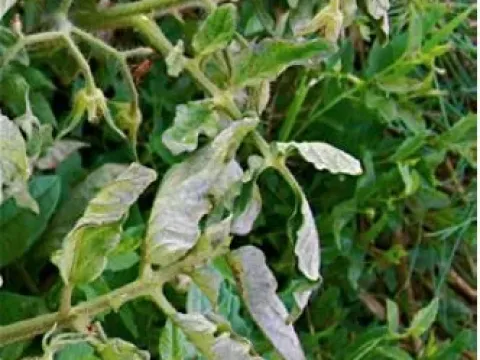
The hallmark symptoms include the inward curling and twisting of young leaves, resulting in a characteristic curly appearance. Leaves become brittle, leathery, and often show signs of chlorosis.
Infected plants exhibit severe stunting and reduced internode length, creating a dense, rosette-like growth habit. The entire plant appears diminished compared to healthy specimens.
Vascular damage is visible through necrotic vein clearing or yellowing of the leaf tissues. These symptoms reflect the systemic disruption of the plant's metabolic and transport processes.
The root system of infected horseradish is significantly affected, resulting in smaller, fibrous, and low-quality roots. The economic value of the produce is drastically reduced due to these deformations.
- Upward curling of leaves
- Leaf chlorosis and necrosis
- Stunted growth and rosette formation
- Shortened internodes
- Reduced root size and poor quality
The disease flourishes in warm, dry weather conditions, which are ideal for the development and migration of leafhopper populations. High temperatures accelerate the viral infection process.
Fields with high weed density provide a refuge for both the virus and its insect vectors. Poor field sanitation practices significantly increase the prevalence of the disease.
Watering regimes during drought periods do not prevent infection if the vector population is uncontrolled. The concentration of leafhoppers on available moisture sources during heatwaves can lead to rapid disease transmission.
The use of infected rhizomes for propagation ensures that the disease is introduced into the field from the very beginning of the season. Clean, certified planting material is essential.
Short crop rotations that do not interrupt the presence of host plants or insect habitats facilitate the annual carryover of the virus within the soil and field environment.
Horseradish curly top causes substantial harvest losses, as infected plants fail to produce marketable roots. The destruction of leaf tissue leads to a significant decrease in photosynthetic capacity.
The disease renders plants more susceptible to secondary infections by bacteria and fungi, particularly during the storage phase of the roots, leading to rot and complete loss of the crop.
Widespread infection within a field necessitates the abandonment of the crop, causing financial loss to the producer. The impact is often cumulative over multiple seasons.
Plant vigor is permanently compromised, making even mildly affected plants unable to recover or reach maturity. This results in uneven stands and increased maintenance requirements.
The presence of this virus limits the production potential of the land, requiring strict quarantine or fallow periods to reduce the viral inoculum and vector populations.
Strict weed management is the first line of defense against this virus. Removing potential reservoir hosts around the field perimeter significantly reduces the initial disease pressure.
The prompt identification and rogueing (removal) of infected plants is crucial. Any plant showing symptoms of curly top should be removed and destroyed immediately to minimize the spread.
Chemical control focuses on managing the leafhopper population. Regular monitoring and the application of appropriate insecticides during peak migration periods are essential for effective management.
Spatial isolation between new horseradish fields and infested areas can prevent the migration of insects. Maintaining a clean environment is vital for long-term production success.
Utilization of row covers or other protective measures during the early growth stages can help shield young plants from the initial attack of leafhoppers and mitigate early infection risks.