
Hydrangea potexvirus
Potexvirus hydrangeae
Description
Symptoms
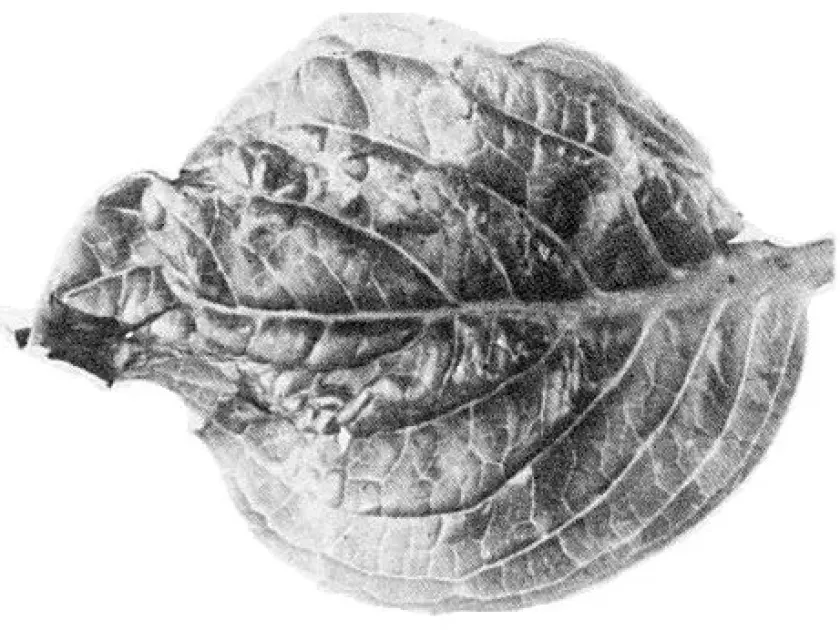
The most common symptoms include chlorotic spots and intricate patterns on the leaves. Infected foliage often displays a mosaic pattern, characterized by patches of light and dark green coloration across the leaf surface.
In many cases, the virus induces deformation of the foliage. Leaves may appear crinkled, puckered, or asymmetrical, which severely diminishes the plant’s ornamental value and overall aesthetic appeal.
Systemic infection often results in stunting of the growth. Infected shrubs may develop shorter internodes, slower branch growth, and a significant reduction in overall biomass compared to healthy specimens of the same cultivar.
Flowering quality is frequently compromised. Infected hydrangeas may produce smaller inflorescences, and the color of the florets might appear blotchy or uneven rather than the uniform hue expected for the variety.
Symptoms can sometimes be latent. The plant may host the virus for several seasons without showing clear signs until it experiences environmental stress, such as drought, extreme heat, or root zone disturbance.
Pathogen
The causative agent of the disease is Potexvirus hydrangeae, a member of the Potexvirus genus. It is a plant virus that specifically targets members of the Hydrangea family, leading to systemic infections in host plants.
These viruses consist of thread-like particles containing single-stranded RNA. Like other potexviruses, this pathogen is highly stable and can survive on gardening tools, debris, and surface soil, facilitating its transmission within gardens.
Mechanical transmission is the primary method of spread. The virus enters the host through wounds caused by tools during pruning, propagation, or routine maintenance, where sap containing the virus is transferred to healthy tissues.
Plant-to-plant contact can also spread the infection. When infected branches rub against healthy ones, or during grafting and cutting, the virus is introduced into the plant’s vascular system, eventually systemic spread occurs.
Nursery stock is the most significant vector for long-distance spread. Purchasing asymptomatic but infected plants from nurseries is a common way to introduce this virus into new landscapes and horticultural collections.
Why it matters
The primary concern regarding Potexvirus hydrangeae is the total loss of ornamental value. Since there is no cure for viral infections, affected plants cannot be treated and are usually discarded to protect nearby specimens.
The virus weakens the hydrangea's overall vigor. By disrupting cellular metabolism and nutrient uptake, the infection makes the shrub more susceptible to opportunistic pathogens, including fungi and bacterial blights.
Infected plants show reduced resilience to harsh environmental conditions. They are more likely to suffer from winter injury or heat stress, which can eventually lead to the decline and death of the entire plant.
For commercial nurseries, the presence of this virus is a significant economic threat. Regulatory requirements often mandate the destruction of infected batches, causing substantial financial loss for producers.
Propagation is dangerous if the parent plant is infected. Cuttings taken from a diseased hydrangea will carry the virus, perpetuating the infection in all new offspring produced from that source.
Protection
Currently, there are no chemical pesticides or antiviral treatments that can eradicate Potexvirus hydrangeae from an infected plant. Management is exclusively focused on prevention and strict hygiene protocols.
Always source plants from reputable nurseries that employ rigorous health screening programs. Avoid purchasing hydrangeas with mottled leaves or distorted growth, as these are classic indicators of viral load.
If an infection is identified, the plant should be removed immediately. It is crucial to destroy the entire specimen, including roots, to prevent any further contact with healthy plants in the area.
Sanitize tools religiously. Dipping pruning shears in a 10% bleach solution or using a commercial disinfectant between each plant is the most effective way to prevent the mechanical transmission of the virus.
Maintain optimal cultural practices. While fertilization and irrigation do not cure the virus, keeping the plant healthy and stress-free helps maintain its aesthetic appearance for as long as possible before the disease inevitably progresses.
Discussion
No discussions yet — be the first.