

Reference · Diseases
Fungal diseases
Powdery mildew is a common fungal disease affecting a wide range of plants, caused by various species of fungi within the order Erysiphales. These fungi are obligate parasites, meaning they must live on a host plant to survive, extracting nutrients via specialized structures called haustoria that penetrate the epidermal cells.
9 655
items
What the section contains
Curvularia leaf spot
Curvularia neergaardii
 Curvularia leaf spot of millet
Curvularia penniseti
Curvularia leaf spot of rice
Curvularia tsudae
Curvularia leaf spot of millet
Curvularia penniseti
Curvularia leaf spot of rice
Curvularia tsudae
 Cyathus
Cyathus
Cyathus
 Cyathus olla
Cyathus olla
Cyathus olla
 Cyclamen phialophora wilt
Phialophora cyclaminis
Cyclamen phialophora wilt
Phialophora cyclaminis
 Cyclamen powdery mildew
Oidium cyclaminis
Cyclamen powdery mildew
Oidium cyclaminis
 Cyclamen Ramularia leaf spot
Ramularia cyclaminicola
Cyclamen Ramularia leaf spot
Ramularia cyclaminicola
 Cyclaneusma needle cast
Cyclaneusma minus
Cyclaneusma needle cast
Cyclaneusma minus
 Cyclaneusma needle cast
Cyclaneusma niveum
Cyclaneusma needle cast
Cyclaneusma niveum
 Cyclaneusma needle cast
Cyclaneusma
Cycloschizon
Cycloschizon
Cycloschizon alyxiae
Cycloschizon alyxiae
Cycloschizon brachylaenae
Cycloschizon brachylaenae
Cyclostomella disciformis
Cyclostomella disciformis
Cyclostomellosis
Cyclostomella
Cyclaneusma needle cast
Cyclaneusma
Cycloschizon
Cycloschizon
Cycloschizon alyxiae
Cycloschizon alyxiae
Cycloschizon brachylaenae
Cycloschizon brachylaenae
Cyclostomella disciformis
Cyclostomella disciformis
Cyclostomellosis
Cyclostomella
 Cyclotella
Cyclotella bodanica
Cyclotella bodanica
Cyclothyriella
Cyclothyriella
Cyclothyriella rubronotata
Cyclothyriella rubronotata
Cyclothyriellaceae
Cyclothyriellaceae
Cyclotella
Cyclotella
Cyclotella bodanica
Cyclotella bodanica
Cyclothyriella
Cyclothyriella
Cyclothyriella rubronotata
Cyclothyriella rubronotata
Cyclothyriellaceae
Cyclothyriellaceae
 Cylindriosis
Cylindrium
Cylindriosis
Cylindrium
 Cylindriosis
Cylindrium elongatum
Cylindriosis
Cylindrium elongatum
 Cylindrobasidium
Cylindrobasidium evolvens
Cylindrobasidium evolvens
Cylindrobasidium
Cylindrobasidium
Cylindrobasidium evolvens
Cylindrobasidium evolvens
 Cylindrocarpon root rot
Cylindrocarpon carneum
Cylindrocarpon root rot
Cylindrocarpon carneum
 Cylindrocarpon root rot
Cylindrocarpon olidum
Cylindrocarpon root rot
Ilyonectria destructans
Cylindrocarpon rot
Cylindrocarpon didymum
Cylindrocarpon rot
Cylindrocarpon effusum
Cylindrocarpon rot
Cylindrocarpon
Cylindrocarpon root rot
Cylindrocarpon olidum
Cylindrocarpon root rot
Ilyonectria destructans
Cylindrocarpon rot
Cylindrocarpon didymum
Cylindrocarpon rot
Cylindrocarpon effusum
Cylindrocarpon rot
Cylindrocarpon
 Cylindrocarpon wilt
Nectria radicicola
Cylindrocladiella camelliae
Cylindrocladiella camelliae
Cylindrocladiella elegans
Cylindrocladiella elegans
Cylindrocladiella lageniformis
Cylindrocladiella lageniformis
Cylindrocladiella novae-zelandiae
Cylindrocladiella novae-zelandiae
Cylindrocladiella parva
Cylindrocladiella parva
Cylindrocladium rot
Cylindrocladium clavatum
Cylindrosporiosis
Kylindria
Cylindrocarpon wilt
Nectria radicicola
Cylindrocladiella camelliae
Cylindrocladiella camelliae
Cylindrocladiella elegans
Cylindrocladiella elegans
Cylindrocladiella lageniformis
Cylindrocladiella lageniformis
Cylindrocladiella novae-zelandiae
Cylindrocladiella novae-zelandiae
Cylindrocladiella parva
Cylindrocladiella parva
Cylindrocladium rot
Cylindrocladium clavatum
Cylindrosporiosis
Kylindria
 Cylindrosporiosis
Umbilicaris cylindrica
Cylindrosporium leaf spot
Cylindrosporium phalaenopsidis
Cylindrosporium leaf spot
Cylindriaceae
Cylindrosympodiaceae fungi
Cylindrosympodiaceae
Cylindrosporiosis
Umbilicaris cylindrica
Cylindrosporium leaf spot
Cylindrosporium phalaenopsidis
Cylindrosporium leaf spot
Cylindriaceae
Cylindrosympodiaceae fungi
Cylindrosympodiaceae
 Cylindrosympodium
Cylindrosympodium variabile
Cylindrosympodium variabile
Cylindrosympodium
Cylindrosympodium
Cylindrosympodium variabile
Cylindrosympodium variabile
 Cymbella
Cymbella
Cymbella
 Cymbella algae
Cymbellales
Cymbella algae
Cymbellales
 Cymbella algae
Cymbellaceae
Cymbella lanceolata
Cymbella lanceolata
Cymbella algae
Cymbellaceae
Cymbella lanceolata
Cymbella lanceolata
 Cymbidium mosaic
Cymbidium mosaic
Cymbidium mosaic
 Cyphelium
Cyphelium
Cyphelium
 Cyphelium sessile
Cyphelium sessile
Cyphelium sessile
 Cyphellaceae
Cyphellophora aestiva
Cyphellophora aestiva
Cyphellophora sessilis
Cyphellophora sessilis
Cyphellophoraceae
Cyphellophoraceae
Cyphellophorosis
Cyphellophora
Cyphellaceae
Cyphellaceae
Cyphellophora aestiva
Cyphellophora aestiva
Cyphellophora sessilis
Cyphellophora sessilis
Cyphellophoraceae
Cyphellophoraceae
Cyphellophorosis
Cyphellophora
 Cypress canker
Seiridium cardinale
Cypress canker
Seiridium cardinale
 Cypress diplodia
Diplodia cupressi
Cypress diplodia
Diplodia cupressi
 Cypress phytophthora
Phytophthora austrocedri
Cypress phytophthora
Phytophthora austrocedri
Curvularia leaf spot of millet
Curvularia penniseti
Curvularia leaf spot of rice
Curvularia tsudae
Cyathus
Cyathus
Cyathus olla
Cyathus olla
Cyclamen phialophora wilt
Phialophora cyclaminis
Cyclamen powdery mildew
Oidium cyclaminis
Cyclamen Ramularia leaf spot
Ramularia cyclaminicola
Cyclaneusma needle cast
Cyclaneusma minus
Cyclaneusma needle cast
Cyclaneusma niveum
Cyclaneusma needle cast
Cyclaneusma
Cycloschizon
Cycloschizon
Cycloschizon alyxiae
Cycloschizon alyxiae
Cycloschizon brachylaenae
Cycloschizon brachylaenae
Cyclostomella disciformis
Cyclostomella disciformis
Cyclostomellosis
Cyclostomella
Cyclotella
Cyclotella
Cyclotella bodanica
Cyclotella bodanica
Cyclothyriella
Cyclothyriella
Cyclothyriella rubronotata
Cyclothyriella rubronotata
Cyclothyriellaceae
Cyclothyriellaceae
Cylindriosis
Cylindrium
Cylindriosis
Cylindrium elongatum
Cylindrobasidium
Cylindrobasidium
Cylindrobasidium evolvens
Cylindrobasidium evolvens
Cylindrocarpon root rot
Cylindrocarpon carneum
Cylindrocarpon root rot
Cylindrocarpon olidum
Cylindrocarpon root rot
Ilyonectria destructans
Cylindrocarpon rot
Cylindrocarpon didymum
Cylindrocarpon rot
Cylindrocarpon effusum
Cylindrocarpon rot
Cylindrocarpon
Cylindrocarpon wilt
Nectria radicicola
Cylindrocladiella camelliae
Cylindrocladiella camelliae
Cylindrocladiella elegans
Cylindrocladiella elegans
Cylindrocladiella lageniformis
Cylindrocladiella lageniformis
Cylindrocladiella novae-zelandiae
Cylindrocladiella novae-zelandiae
Cylindrocladiella parva
Cylindrocladiella parva
Cylindrocladium rot
Cylindrocladium clavatum
Cylindrosporiosis
Kylindria
Cylindrosporiosis
Umbilicaris cylindrica
Cylindrosporium leaf spot
Cylindrosporium phalaenopsidis
Cylindrosporium leaf spot
Cylindriaceae
Cylindrosympodiaceae fungi
Cylindrosympodiaceae
Cylindrosympodium
Cylindrosympodium
Cylindrosympodium variabile
Cylindrosympodium variabile
Cymbella
Cymbella
Cymbella algae
Cymbellales
Cymbella algae
Cymbellaceae
Cymbella lanceolata
Cymbella lanceolata
Cymbidium mosaic
Cymbidium mosaic
Cyphelium
Cyphelium
Cyphelium sessile
Cyphelium sessile
Cyphellaceae
Cyphellaceae
Cyphellophora aestiva
Cyphellophora aestiva
Cyphellophora sessilis
Cyphellophora sessilis
Cyphellophoraceae
Cyphellophoraceae
Cyphellophorosis
Cyphellophora
Cypress canker
Seiridium cardinale
Cypress diplodia
Diplodia cupressi
Cypress phytophthora
Phytophthora austrocedri
Marketplace
Products in this section · 12

Fungal diseases
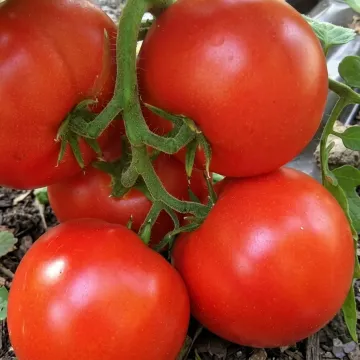
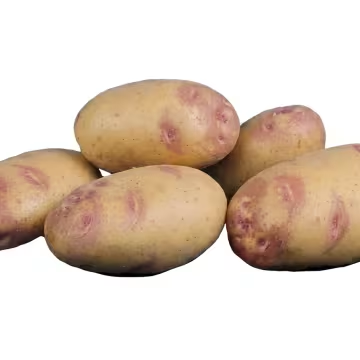
The disease attacks a vast array of crops, including cereals, vegetables, fruit trees, and ornamental plants. Crops like cucumbers, grapes, roses, and apples are particularly susceptible, making powdery mildew one of the most frequently encountered challenges in both commercial agriculture and home gardening.
The most recognizable symptom is the development of a white or grayish, powdery-looking fungal growth on the surface of leaves, stems, and flowers. As the infection progresses, the powdery spots expand and merge. Heavily infested tissues may become yellowed, distorted, stunted, or develop necrotic spots, eventually leading to leaf drop.
The fungus thrives in conditions of high humidity (without direct moisture on leaves) and moderate temperatures, typically between 18°C and 25°C. Poor air circulation caused by overcrowding, as well as excessive nitrogen fertilization which promotes lush but tender new growth, significantly increase the plant's susceptibility to the pathogen.
The economic impact of powdery mildew is severe, as the disease reduces the plant's photosynthetic capacity, leading to reduced vigor and diminished crop yields. In commercial fruit and vegetable production, the cosmetic damage caused by the fungus often renders the produce unmarketable, leading to substantial financial losses.
Effective management and prevention strategies include:
- Selecting plant varieties with documented resistance to powdery mildew.
- Maintaining proper spacing between plants to improve airflow and reduce humidity around the foliage.
- Pruning and removing infected plant parts to limit the source of inoculum.
- Applying a balanced fertilizer regime to avoid excessive nitrogen stimulation.
- Using preventative or curative fungicides, such as sulfur-based products, potassium bicarbonate, or systemic triazoles.