
Cylindrosporiosis
Umbilicaris cylindrica
Description
Symptoms
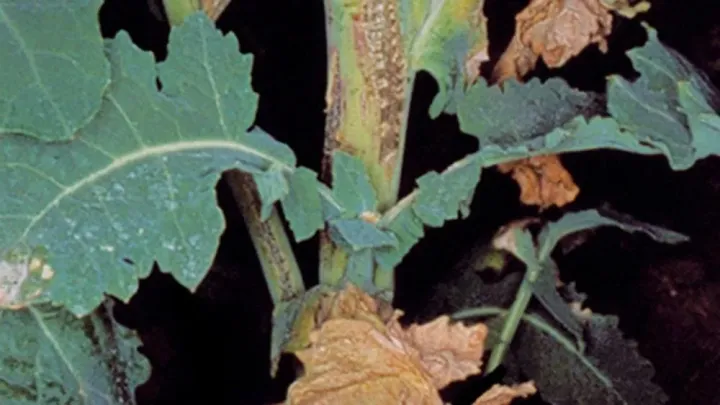
The first symptoms of cylindrosporiosis typically appear as small, irregular spots on the leaves, which can be brown, red, or dark purple in color. Over time, these spots expand and may coalesce.
A diagnostic sign is the formation of a whitish or grayish fungal bloom on the underside of the leaves. This bloom consists of numerous conidia, which are easily disseminated by wind and splashing water.
As the disease progresses, infected leaves turn yellow and drop prematurely. This premature defoliation is a classic symptom that can lead to total leaf loss in highly susceptible varieties.
Symptoms also manifest on young shoots and fruit stems, often leading to necrosis and withered blossoms. Fruit may develop small, depressed spots, significantly reducing their marketable value.
The impact is usually most visible mid-to-late summer, significantly reducing the photosynthetic capacity of the plant. Without treatment, the tree enters a state of severe physiological stress.
Pathogen
Cylindrosporiosis is a fungal disease caused by pathogens of the genus Cylindrosporium. This pathogen belongs to the group of deuteromycetes, which reproduce primarily through asexual spores known as conidia.
The fungus survives the winter as mycelium or stroma within infected plant debris, fallen leaves, and diseased twigs. Once the season starts and weather conditions turn favorable, it begins producing conidia.
Primary hosts for this pathogen include stone fruit trees such as cherries and sour cherries. The fungus specifically targets the foliage and shoots, disrupting the plant's normal metabolic processes.
The life cycle of the fungus allows for multiple infection waves during a single growing season. This rapid turnover makes the disease highly contagious in areas with dense vegetation or poor orchard management.
Scientific classification of the pathogen is complex, but its ability to produce massive amounts of inoculum on infected tissues remains the key feature that defines its impact on host plants.
Conditions for development
The development of cylindrosporiosis is heavily dependent on high humidity and mild temperatures. Frequent rain events, fog, and morning dew are critical for spore germination and infection.
Optimal growth temperatures for the fungus generally range from 15 to 22 degrees Celsius. During these conditions, the pathogen can complete its infection cycle within a few weeks.
Poor air circulation within the tree canopy facilitates disease spread. Dense plantings prevent foliage from drying quickly after rain, creating a prolonged moisture film that favors fungal penetration.
Spore dissemination is primarily driven by water splash and wind. Raindrops landing on infected leaves splash conidia onto healthy foliage, creating new infection sites throughout the orchard.
Neglecting sanitation practices allows the inoculum to build up in the soil and leaf litter. If the primary inoculum is not managed, spring rains will trigger early infections that can ruin the entire season's output.
Why it matters
The main danger of cylindrosporiosis is the significant reduction in plant productivity. Premature defoliation prevents the tree from storing sufficient energy reserves for the following year.
Fruit yield is reduced not only by direct infection of the crop but also by the tree's inability to support ripening. In severe outbreaks, trees may drop their fruit prematurely due to nutritional failure.
Chronic infection weakens the tree's overall immune system. Infected trees become significantly more susceptible to other opportunistic pathogens, pests, and environmental stressors.
Winter hardiness is severely compromised. Since the tree enters winter in a starved state, it is far more likely to suffer from freeze damage, which can lead to limb dieback or even total tree death.
- Reduced crop yield and quality
- Premature leaf drop leading to starvation
- Weakening of tree immune defenses
- Increased susceptibility to winter freeze
- Long-term decline of orchards
Protection
Strict sanitation is the foundation of cylindrosporiosis control. All fallen leaves must be raked and destroyed or deeply buried to remove the primary source of wintering inoculum.
Proper pruning is essential to improve airflow and sunlight penetration within the canopy. By maintaining an open structure, the foliage dries faster, which drastically limits the potential for fungal infection.
Fungicide applications are necessary during high-risk periods. A preventative spray schedule, tailored to the tree’s phenological stages, is the most effective way to keep the pathogen in check.
Selecting resistant cultivars is a key long-term strategy for minimizing disease impact. Modern breeding programs offer varieties that can tolerate lower levels of infection without losing productivity.
Balanced fertilization and irrigation management contribute to the overall health of the plant. A healthy tree can better allocate resources to resist and recover from fungal challenges during the season.
Discussion
No discussions yet — be the first.