
Cypress diplodia
Diplodia cupressi
Description
Symptoms
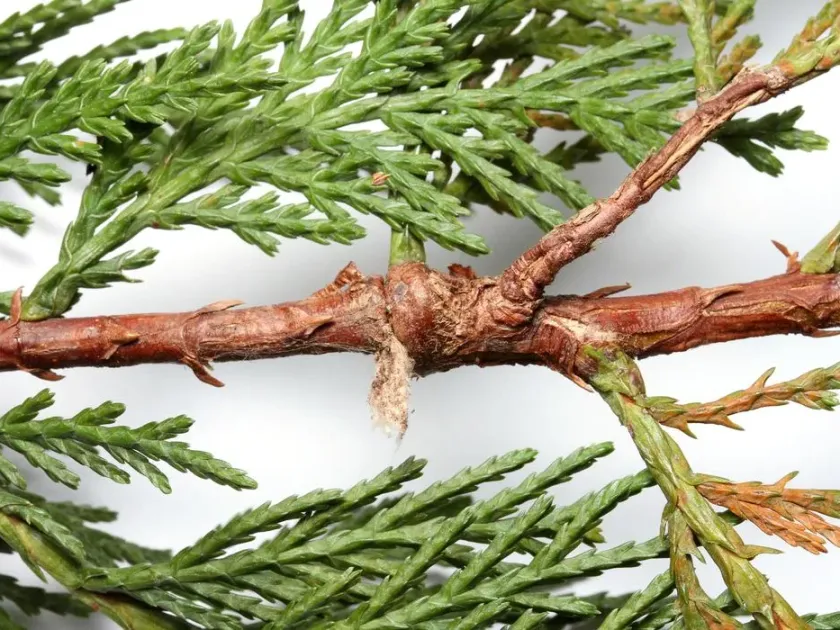
The first signs of Diplodia cupressi infection involve the discoloration of needles, which turn brown or reddish-brown. This typically starts at the tips of the branches and gradually spreads inward toward the main trunk.
Small black fruiting bodies, known as pycnidia, often appear on the bark of infected branches or at the base of the needles. These structures are essential for the survival and dispersal of the fungus and serve as a clear diagnostic feature.
The fungus causes necrotic lesions, often referred to as cankers, on the branches. These lesions can girdle the branch, cutting off water and nutrient transport, which inevitably leads to the death of the distal part of the limb.
Affected shoots often appear stunted, distorted, or drooping. As the disease progresses, the foliage dries out and may fall prematurely, leading to severe thinning of the canopy and a loss of the plant's ornamental appeal.
In humid conditions, a sticky spore mass may exude from the pycnidia. This mass is a concentrated source of inoculum, facilitating the spread of the pathogen to neighboring branches or nearby trees via rain splash or wind.
Pathogen
The pathogen responsible for this disease is the fungus Diplodia cupressi. It belongs to a group of Ascomycetes known to cause shoot blights, diebacks, and cankers on various coniferous species, particularly in the cypress family.
It acts as a parasite that invades the vascular tissues and bark of the host. The fungus utilizes a specialized life cycle where it remains dormant in woody tissues or plant debris, ready to activate when environmental conditions become favorable.
The primary mode of dispersal is through conidia produced in pycnidia. These spores are easily spread by splashing rain, dew, or mechanical contact via contaminated pruning tools and human activity.
Diplodia cupressi is well-adapted to surviving on dead or dying organic matter. This saprophytic capability allows it to persist in the landscape long after a branch or tree has been removed if sanitation is not strictly observed.
The fungus often behaves as a stress-dependent pathogen, meaning it is more likely to cause significant damage when the host plant is suffering from environmental stressors such as drought, frost, or nutritional imbalances.
Conditions for development
The development of cypress diplodia is heavily influenced by high moisture levels. Periods of prolonged rainfall, high humidity, or frequent fog create a perfect microclimate for fungal spores to germinate on the tree's surface.
Warm temperatures, particularly during the spring and early summer growing seasons, accelerate the fungal life cycle, leading to rapid infection rates and symptom development.
Poor ventilation and overcrowded planting sites hinder the evaporation of moisture from the foliage. This retained humidity allows the pathogen to establish itself more easily, especially in the denser interior sections of the canopy.
Plants weakened by environmental factors, such as improper irrigation, soil compaction, or poor site selection, are significantly more susceptible to infection by Diplodia cupressi.
The physical environment of the garden plays a key role; specifically, the presence of infected plant debris around the base of the tree acts as a constant reservoir for new infection cycles during wet weather.
Why it matters
The most immediate harm is the rapid loss of ornamental value due to the browning and eventual dieback of branches. This can quickly ruin the symmetry and visual impact of specimen trees or hedges.
Prolonged infection severely weakens the overall health of the tree, reducing its growth rate and vitality. If left untreated, the dieback can move toward the main stem, potentially killing the entire tree.
Cypress diplodia causes significant economic disruption in nurseries, where it can lead to the loss of large batches of young stock, impacting inventory and profitability.
By compromising the plant's structural integrity and physiological functions, the disease predisposes the tree to further attacks by secondary pests like bark beetles, which capitalize on the tree's weakened state.
Management of the disease often requires extensive removal of affected branches, which can leave the plant misshapen or require the total replacement of the specimen, incurring additional costs and landscape restoration efforts.
Protection
The primary control measure is rigorous sanitary pruning. All dead or dying branches should be removed well below the site of the infection, and tools must be disinfected with alcohol between every cut to prevent cross-contamination.
Preventative applications of copper-based fungicides are highly effective when applied before the start of the wet season. These protect the bark and needles from spore penetration.
Maintaining optimal plant health through balanced fertilization and proper soil management increases the host plant's natural resistance. Avoid high-nitrogen fertilizers that produce excessive, succulent growth susceptible to fungal entry.
Promoting air circulation within the garden through proper spacing and thoughtful pruning helps reduce the moisture levels needed for fungal development.
- Collect and destroy all fallen needles and pruned infected branches.
- Use systemic fungicides in cases of high disease pressure, adhering to local labels.
- Irrigate at the base of the tree to prevent wetting the foliage.
- Monitor trees closely during humid spring and autumn periods.
Discussion
No discussions yet — be the first.