
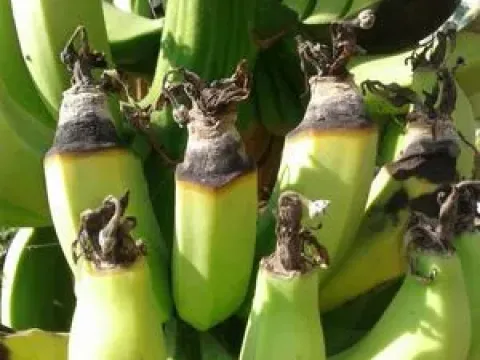
Trachysphaera
Trachysphaera
The disease is caused by the fungus Trachysphaera fructigena (also known as Sphaeropsis fructigena), which belongs to the class of deuteromycetes.
What the section contains
Trachysphaera
This pathogen is specialized in infecting fruits and reproductive structures of various crops, remaining viable in soil and plant debris as mycelium or spores.
The life cycle of the pathogen involves the production of conidia, which are easily disseminated by wind, rain splashes, and insect vectors throughout the orchard.
The fungus enters the host tissues primarily through physical wounds, cracks, or natural openings in the fruit epidermis, leading to rapid infection.
Its biological success is attributed to its high enzymatic activity, which allows for the rapid breakdown of plant cell walls and colonization of the fruit.
The primary symptom of the disease is the appearance of brown, necrotic spots on the fruit, which enlarge rapidly to cover the entire surface.
Infected tissues become soft and watery, causing the fruit to lose its structural integrity and eventually drop from the tree or shrub.
As the infection progresses, the surface of the lesions becomes covered with a velvet-like fungal growth, representing the mass production of spores.
Fruits affected by Trachysphaera develop a bitter taste and an unpleasant odor, making them completely unfit for market consumption or industrial processing.
- Dark brown lesions on fruit skin
- Soft and watery rot of fruit pulp
- Visible white or grey fungal spores
- Mummification of fruit over time
High humidity and consistent rainfall are the most critical factors that promote the spread and development of this fungal pathogen.
The optimal temperature range for the rapid growth of the fungus is between 20 and 25 degrees Celsius, though it persists under various climate conditions.
Dense canopies, lack of proper pruning, and poor air circulation in the orchard create the microclimate ideal for spore germination and infection.
Physical damage to the fruit, whether caused by insect pests, hail, or mechanical harvesting, significantly increases the risk of successful infection.
Neglecting orchard sanitation, such as failing to remove fallen, rotting fruit, ensures that the pathogen remains active throughout the season.
Trachysphaera causes significant economic loss by destroying large portions of the crop before it reaches maturity and harvest.
Beyond fruit damage, the disease weakens the plant's vigor, making it more susceptible to environmental stress and reducing overall yield potential in subsequent years.
Financial impact is compounded by the need for expensive chemical treatments and the labor costs associated with removing infected materials from the field.
Post-harvest losses are also substantial, as the fungus can spread from infected fruit to healthy ones during storage and transportation.
Persistent infections lead to the gradual decline of orchards, impacting the productivity and longevity of the horticultural investment.
Orchard sanitation is the primary defense: prompt removal and disposal of all infected fruits and debris are essential to limit the spore load.
Regular maintenance of the area beneath the trees, including the removal of mummified fruits and leaf litter, is crucial for breaking the disease cycle.
Timely application of approved fungicides during the susceptible stages of fruit development can effectively prevent the onset of the infection.
Effective pest management is vital, as controlling insects that pierce fruit skin minimizes the entry points available to the fungal pathogen.
Implementing proper horticultural practices, such as strategic pruning to improve airflow and sunlight penetration, naturally suppresses the development of fungal rot.