
Trametes ochracea
Trametes ochracea
Description
Symptoms
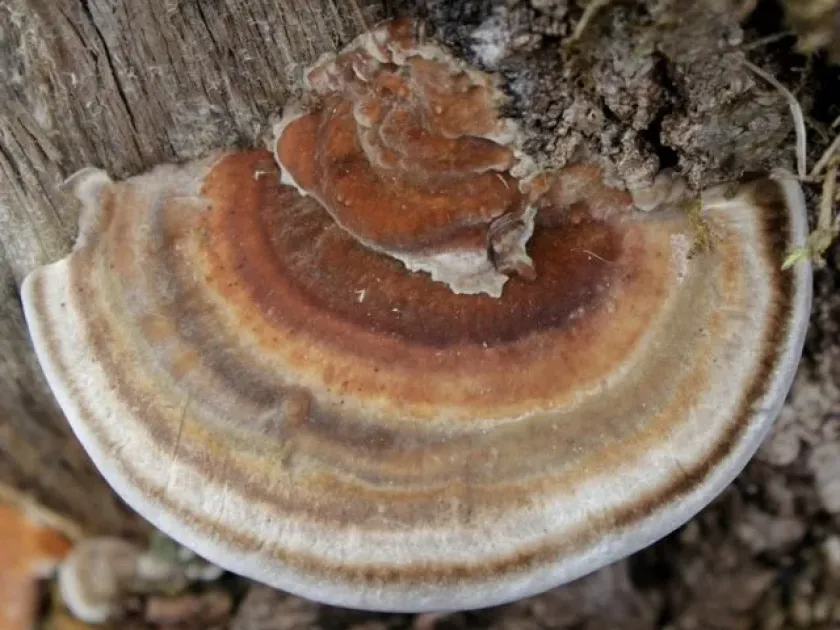
The most recognizable sign is the presence of hard, leathery fruiting bodies with concentric color zones, typically ranging from ochre to reddish-brown.
These fungal brackets appear on the trunks, stumps, or large limbs of host trees, often growing in tight, overlapping rows or clusters.
Affected wood displays characteristic signs of white rot, becoming brittle, soft, and fibrous as the fungal enzymes digest the structural matrix of the timber.
In living trees, symptoms include crown decline, premature leaf yellowing, and thinning foliage due to the disruption of the tree's internal water transport system.
Localized weeping or sap leakage at the site of infection can sometimes indicate that the underlying tissues are compromised by the growing fungus.
Pathogen
Trametes ochracea is a wood-decay fungus belonging to the Polyporaceae family. It is a basidiomycete that functions as both a saprotroph and a weak parasite.
The fungus is characterized by the production of perennial or annual fruiting bodies, often found in clustered, shelf-like formations on host wood.
Its mycelium penetrates deep into the wood tissues, secreting enzymes that degrade lignin and cellulose, which are the primary structural components of the tree's wood.
The life cycle involves the release of spores from the pore surface of the fruiting body; these spores are wind-dispersed and land on susceptible wood surfaces.
Once a suitable host surface is reached, the spores germinate and initiate the development of new mycelial networks within the wood structure.
Conditions for development
Trametes ochracea thrives in environments with high humidity and moderate temperatures, often spreading most rapidly during damp spring and autumn seasons.
The fungus requires wounds or points of entry to successfully colonize healthy wood, such as pruning cuts, frost cracks, or sunscald damage on the bark.
Trees that are under stress, suffering from drought, poor nutrition, or previous mechanical damage, are significantly more susceptible to successful colonization.
Poor air circulation within dense canopy structures maintains the moisture levels on bark surfaces that the fungus needs to germinate and establish infection.
Decaying organic material, such as old stumps or fallen debris left in the garden, serves as a primary reservoir for the fungus to spread to healthy trees.
Why it matters
The primary danger posed by this fungus is the internal destruction of the tree's structural integrity, which significantly increases the risk of limb or tree failure.
As the rot progresses, the tree loses its mechanical strength, becoming a hazard in managed landscapes or high-traffic areas due to the threat of sudden collapse.
The pathogen disrupts the flow of water and nutrients throughout the tree, leading to gradual branch dieback and eventually the death of the entire host plant.
If not managed, the fungus can spread to neighboring healthy specimens, causing an outbreak that could devastate a whole orchard or small forest area.
Financial losses occur due to the need for expensive tree removal services and the loss of long-term investment in fruit or ornamental trees.
Protection
Proactive management begins with strict sanitation: the prompt removal and destruction of all infected wood and fungal fruiting bodies from the site.
Pruning cuts must be made correctly to encourage rapid callusing, and large wounds should be treated with protective compounds to prevent spore entry.
Maintaining tree vigor through appropriate fertilization and irrigation helps the plant develop natural defenses against fungal penetration.
Regular monitoring of tree health allows for the early detection of symptoms, which is critical for preventing the rot from spreading to the core of the trunk.
- Disinfect pruning tools with alcohol between trees to avoid cross-contamination.
- Remove stumps to eliminate the fungus's primary food source.
- Improve air circulation by thinning the canopy to reduce localized humidity.
Discussion
No discussions yet — be the first.