
Trabutia
Trabutia
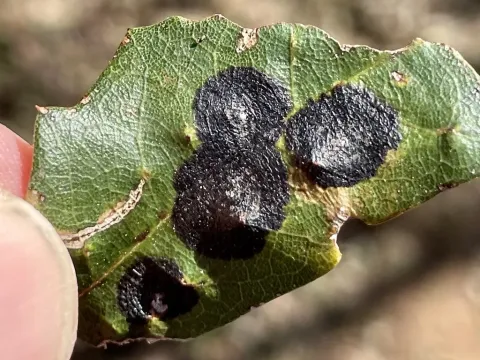
The primary symptom of Trabutia infection is the appearance of distinct black stroma on the leaf surface. These structures are dense and often group together, creating a characteristic pattern across the leaf blade.
What the section contains
Trabutia
Surrounding the infected areas, leaf tissue typically shows signs of chlorosis or yellowing as the plant's metabolic processes are disrupted. As the spores mature, these black spots become more prominent and slightly raised.
In advanced stages of infection, leaves may curl prematurely and wither. The infected tissues lose their structural integrity and become brittle, significantly impacting the plant's ability to maintain normal foliage health.
In some cases, the infection spreads to leaf stalks, causing deformation and stunted growth. The overall appearance of the plant becomes unhealthy due to the concentrated necrosis of vegetative tissues.
Diagnosing Trabutia requires careful attention to the glossy black nature of the stroma, which helps differentiate it from other types of common leaf spot diseases that may look similar at first glance.
The pathogen is a fungus of the genus Trabutia, belonging to the Ascomycota phylum. This fungus forms specialized structures known as stroma, which serve as sites for the development of asexual and sexual reproductive organs.
The pathogen's life cycle is closely linked to the host plant's physiology. It penetrates the epidermis, spreading its mycelium through intercellular spaces and drawing nutrients from the host to sustain its growth.
Transmission occurs primarily through the release of ascospores during periods of high humidity and moderate temperatures. Wind currents and rainwater splashes serve as the main vectors for spore dispersal across the plantation.
The fungus is highly adapted to surviving the winter on fallen leaves. Once the environmental conditions become favorable in the spring, it initiates a new cycle of infection, targeting fresh spring growth.
As a specialized parasite, Trabutia relies on the presence of viable host tissue. Its slow growth in controlled environments highlights its specific requirement for a living host to complete its full biological cycle.
High humidity and moderate temperatures are the most critical factors for the rapid development of Trabutia. Constant moisture on leaf surfaces provides the ideal environment for spore germination and colonization.
Poor ventilation within dense plant canopies creates a microclimate that prevents leaves from drying out. This prolonged moisture retention significantly increases the probability of fungal infection.
Lack of proper sunlight and excessive plant density weaken the overall immune response of the plants. This environmental stress makes the host significantly more susceptible to successful invasion by the fungus.
Accumulation of plant debris under the canopy creates an infectious reservoir. Since the fungus can survive in these remains, cleaning the site is crucial to prevent recurring annual outbreaks.
Inadequate irrigation practices, especially overhead watering during cloudy days, extend the period of leaf wetness, thereby creating perfect conditions for the spread of Trabutia spores.
The main impact of Trabutia is the significant reduction in photosynthetic surface area. This decrease directly impairs the plant's ability to synthesize nutrients, leading to weakened growth and stunted development.
Severe infestations deplete the plant's energy reserves, reducing its ability to form flower buds. This can result in a measurable decrease in fruit yields for commercial crops or reduced ornamental value for garden plants.
Chronic infection weakens the plant's natural defense mechanisms, making it more vulnerable to opportunistic secondary pathogens and pests. This can lead to a long-term decline in plant vigor.
Plants affected by the fungus show decreased resistance to environmental stressors such as frost or drought. This sensitivity increases the risk of plant loss during harsh winter months.
Economic losses for growers include not only lower yields but also the increased cost of implementing chemical and manual control measures necessary to protect the health of the entire crop.
Sanitation is the cornerstone of Trabutia management. Removing and destroying fallen leaves is essential, as this practice eliminates the primary source of overwintering inoculum for the next season.
Regular pruning of the canopy improves airflow, helping foliage dry out quickly after rain. This practice disrupts the environmental conditions that the fungus requires for successful infection.
Preventive application of fungicides during the growing season can effectively control the disease. It is important to time these treatments before major symptoms appear, especially in high-humidity periods.
Balanced plant nutrition, particularly the proper use of potassium and phosphorus fertilizers, enhances the plant's structural integrity and natural resilience against fungal penetration.
- Selecting disease-resistant varieties for new plantings.
- Maintaining proper spacing to ensure adequate ventilation.
- Regular monitoring of foliage to detect the first signs of infection.
- Disinfecting gardening tools to prevent cross-contamination between plants.