
Rhizopus oryzae
Rhizopus oryzae
Rhizopus oryzae is a versatile fungus belonging to the Zygomycota phylum, widely recognized as a major post-harvest pathogen.
What the section contains
Rhizopus oryzae
The fungus is characterized by rapid mycelial growth and the ability to produce large quantities of spores that disperse easily via wind or water.
It acts as a facultative parasite, meaning it can survive as a saprophyte on decaying matter but readily attacks healthy tissues when conditions are ideal.
Its high production of cell-wall-degrading enzymes allows it to penetrate plant structures swiftly, causing softening and tissue disintegration.
The pathogen can persist in the soil for extended periods, surviving as dormant structures until susceptible host tissue becomes available for infection.
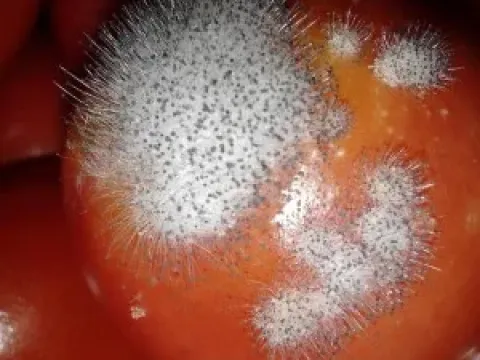
The hallmark symptom of Rhizopus oryzae is a coarse, fluffy, white mycelial growth that rapidly covers the surface of the affected plant material.
As the infection progresses, the white mycelium develops dark, pepper-like sporangia, giving the infected area a characteristic grayish-black appearance.
Affected tissues lose their structural integrity, becoming soft, mushy, and often exuding a distinct, slightly fermented or sour odor.
In seeds and grain, the infection manifests as mold growth that inhibits germination and causes the decay of the embryo.
Root and fruit crops frequently show water-soaked lesions that spread outward from the initial point of entry until the entire organ is consumed by rot.
The pathogen thrives in warm conditions with temperatures typically ranging between 25 and 30 degrees Celsius, which accelerates its metabolic activity.
High relative humidity, generally above 80 percent, is essential for the rapid germination of spores and the development of the vegetative mycelium.
Mechanical injuries, such as cuts, bruises, or insect feeding punctures, provide the necessary entry points for the fungus to colonize healthy tissue.
Inadequate ventilation in storage facilities causes moisture buildup, creating a perfect environment for the mold to spread from infected to healthy units.
High soil moisture levels before harvest can trigger latent infections in root crops, which often remain asymptomatic until placed in storage.
The primary damage caused by this fungus is the rapid post-harvest deterioration of fruits, vegetables, and stored cereal grains.
Even a single infected item in a storage crate can lead to the loss of the entire batch due to the aggressive and fast-spreading nature of the pathogen.
Rhizopus oryzae can contaminate food products with mycotoxins, rendering them unsuitable for human consumption or animal feed processing.
In field conditions, it contributes to poor stand establishment by attacking seeds and seedlings shortly after planting, particularly in cold and wet soils.
The economic impact is profound, including direct yield loss, increased costs for sorting, and the necessity of discarding large volumes of tainted produce.
Effective management begins with careful handling during harvesting to prevent mechanical wounds that serve as infection sites for the fungus.
Post-harvest storage units must be kept cool, dry, and well-ventilated to inhibit the development and spread of fungal spores.
Seed treatments with broad-spectrum fungicides are recommended to protect germinating seeds from soil-borne inoculum.
Sanitation practices, such as removing crop debris from the field and disinfecting storage facilities, are critical to reducing the overall disease pressure.
- Practice proper crop rotation cycles.
- Avoid harvesting during periods of excessive rainfall.
- Use resistant cultivars when available.
- Sort produce thoroughly before placing into long-term storage.