
Rhizopus rot
Rhizopus sexualis
Description
Symptoms
The first visible signs of infection are the appearance of water-soaked spots on fruits or vegetative parts of the plant, which expand rapidly. The affected tissues lose turgor and quickly collapse into a soft, amorphous mass.
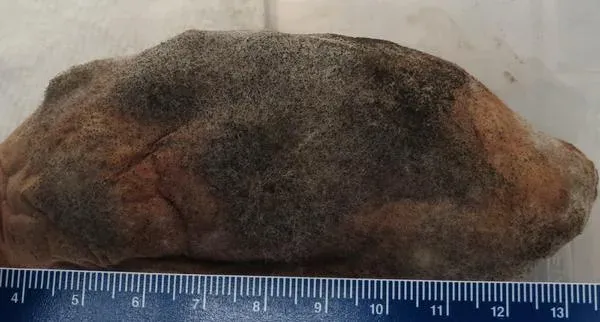
Soon, a dense, fuzzy fungal growth appears on the surface of the lesions. It starts off white but eventually turns grey as the sporangia mature, appearing as numerous tiny black dots scattered across the mycelium.
In seeds, Rhizopus rot causes severe moldiness even before germination. Affected seeds lose their viability, turn dark, become covered with spores, and often decay within the soil, resulting in poor stand establishment.
Fruits affected by the disease show a characteristic change in texture: they become mushy, lose firmness, and develop a distinct fermentation odor. Often, infected fruits leak exudate containing a high concentration of fungal spores.
In greenhouses or storage facilities, the rot appears as spreading clusters that quickly move from one fruit to another, potentially destroying entire batches of produce within days under high humidity conditions.
Pathogen
The causal agent of this disease is the microscopic fungus Rhizopus sexualis, which belongs to the order Mucorales. This pathogen is characterized by its exceptionally rapid mycelial growth, forming a dense, fuzzy colony that is typically grey or brownish in appearance.
The fungus acts as a facultative parasite and a saprotroph, capable of developing on both weakened living plant tissues and dead organic matter. It reproduces both asexually, through spores in sporangia, and sexually, by forming zygospores, which ensures its survival under adverse conditions.
The primary reservoir for the infection is the soil and plant debris, where the pathogen persists as dormant spores. Under favorable environmental conditions, these spores germinate and produce mycelium, which is disseminated by air currents, water splashes, and insects.
The microorganism possesses potent enzymatic activity, allowing it to degrade plant cell walls, leading to rapid softening and disintegration of tissues. The infection typically enters the plant through micro-cracks, insect-inflicted wounds, or natural openings.
High specialization allows this fungus to affect a wide range of agricultural crops, including vegetables, fruits, and cereals, causing severe losses both in the field and during post-harvest storage.
Conditions for development
High relative humidity, exceeding 80%, combined with temperatures ranging from +20°C to +30°C, creates ideal conditions for the rapid development of Rhizopus rot. These parameters stimulate intensive spore germination.
Lack of proper ventilation in storage areas or greenhouses is a major risk factor for epiphytotic spread. Stagnant air prevents the evaporation of moisture from fruit surfaces, providing the necessary environment for fungal proliferation.
Mechanical damage during harvest and transport, as well as insect damage, serves as the main entry point for the pathogen. Any breach in the fruit skin is immediately colonized by the fungus.
Poor agricultural practices, such as excessive nitrogen fertilization, can weaken plant natural defenses, making crops more susceptible to Rhizopus sexualis infection.
Accumulation of plant debris in the field without proper sanitation serves as a constant source of inoculum for subsequent crop cycles, maintaining a high disease pressure in the area.
Why it matters
The primary damage caused by Rhizopus rot is the rapid loss of marketability and quality of the harvest. Infected produce becomes entirely unsuitable for sale or processing due to the destruction of its structure and the development of off-flavors.
Infection of seeds leads to a critical decrease in field emergence and plant density. This often necessitates expensive replanting operations, significantly impacting the farm's economic performance.
The disease can destroy 50% to 80% of stored stock if temperature and humidity controls are neglected. A single contaminated fruit can initiate an infection outbreak that spreads across the entire container or storage unit.
In the field, the pathogen can affect mature plants, leading to biomass loss or reduced yield. Plants infected at early developmental stages often fail to produce marketable fruits at all.
Economic losses are compounded by the costs of additional fungicide applications, intensive product sorting, and the disposal of infected waste material that cannot be recovered.
Protection
The cornerstone of control is strict adherence to storage protocols: maintaining temperatures between 0-2°C and keeping relative humidity below 70-75%. Efficient ventilation is crucial to prevent condensation on produce surfaces.
Preventive measures include the thorough removal and destruction of crop residues after harvest, which significantly reduces the inoculum pool in the field for the next season.
The use of high-quality seeds treated with systemic fungicides is mandatory to protect crops from soil-borne infection during the critical early stages of germination.
Integrated pest management to control insects that damage fruit skins, combined with careful handling during harvest, is essential to minimize infection risks.
- Sanitary disinfection of storage facilities and crates.
- Practice of crop rotation to disrupt the pathogen's life cycle.
- Selection of resistant plant varieties and hybrids.
- Regular inspection and culling of damaged fruits before storage.
Discussion
No discussions yet — be the first.