
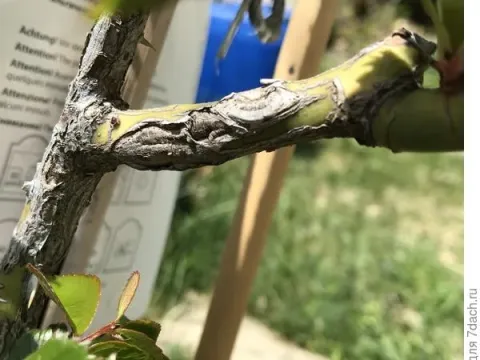
Rose diaporthe canker
Diaporthe rosiphthora
The disease is caused by the fungus Diaporthe rosiphthora, an ascomycete pathogen that primarily infects the woody stems of rose plants.
What the section contains
Rose diaporthe canker
The pathogen completes its life cycle by producing pycnidia and perithecia, which act as the primary inoculum for spreading the infection.
This fungus survives in plant debris, dormant stems, and soil, remaining a latent threat that can emerge when environmental conditions become suitable.
Infection typically occurs through physical wounds, pruning sites, or weather-damaged tissues where the protective bark layer has been breached.
The biology of the fungus is closely tied to the stress levels of the host plant, with weakened roses being significantly more susceptible to successful colonization.
Initial symptoms are characterized by small, dark, and sunken lesions on the stems, which gradually expand as the fungus consumes the internal tissues.
As the infection progresses, the bark becomes necrotic, eventually cracking and revealing the inner wood, which often turns discolored and dry.
Small black fruiting bodies of the fungus may appear within the center of the canker, especially during periods of high humidity and rainfall.
Leaves situated above the infection point often show signs of chlorosis, wilting, and premature drop as the stem's vascular system is compromised.
- Dark sunken cankers on the stem surface.
- Cracked, dead bark surrounding the infection site.
- Visible black pycnidia on the diseased stem tissue.
- Wilting of foliage located above the canker.
- Gradual dieback of individual branches or entire stems.
Diaporthe canker thrives in cool, humid environments, particularly during periods of prolonged rainfall or foggy weather that keeps plants wet for extended hours.
Overcrowded rose plantings suffer from poor air circulation, which prevents stems from drying out and fosters the rapid germination of fungal spores.
High relative humidity and stagnant air pockets around the plant canopy significantly increase the pressure of the disease in the garden.
Improper pruning techniques, such as failing to disinfect shears between cuts, allow the pathogen to spread efficiently from infected to healthy branches.
Environmental stress, such as frost damage or sudden temperature fluctuations, creates entry points that significantly raise the risk of pathogen invasion.
The primary impact of the disease is the destruction of decorative stems, leading to significant aesthetic loss and reduced flowering performance.
Systemic damage to the plant's vascular network can result in the complete death of affected branches, reducing the overall vigor of the rose bush.
If not managed early, the pathogen can spread to the crown or rootstock, potentially leading to the death of the entire rose plant.
Infected bushes serve as reservoirs for the fungus, placing surrounding roses at risk and potentially leading to an outbreak throughout the entire garden.
The economic impact involves both the loss of individual plants and the increased labor costs associated with removing dead material and applying fungicide treatments.
Sanitation is the most critical control measure, requiring the immediate pruning and destruction of all infected stems, cutting well into healthy wood.
Disinfecting pruning tools with alcohol or a bleach solution after each cut is essential to prevent the mechanical transmission of the pathogen.
Early spring applications of copper-based fungicides provide a protective barrier against initial spore germination and colonization.
During the growing season, systemic fungicides can be used if symptoms are detected to arrest the progress of the fungus within the vascular tissue.
Maintaining optimal plant health through balanced fertilization and adequate spacing improves the rose's natural resistance to fungal infections.