
Rose rust
Phragmidium tuberculatum
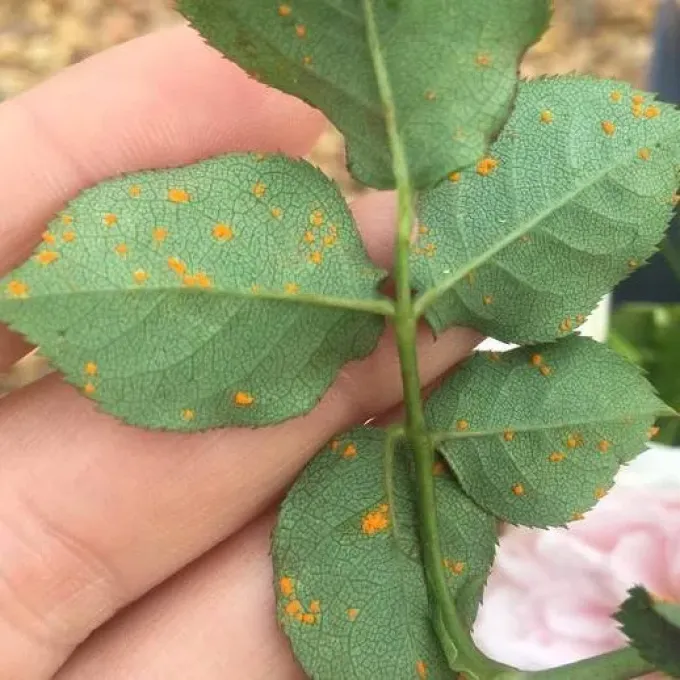
Description
Symptoms
The primary symptom of rose rust is the appearance of bright orange, powdery pustules on the undersides of the leaves, usually starting in late spring or early summer.
On the upper surface of the leaves, small chlorotic or reddish-brown spots develop. As the infection progresses, these spots may merge, leading to the yellowing and necrosis of the entire leaf tissue.
Severe infestations often extend to stems, leaf petioles, and even flower pedicels. The infected stems may exhibit cracking, swelling, or distortion, which significantly impairs the structural integrity of the plant.
By late summer or autumn, the pustules turn black as the fungus produces teliospores. This stage is a visual indicator that the fungus is preparing for winter survival.
Premature leaf drop is a classic sign of advanced infection. The plant may become severely defoliated, which leaves it vulnerable to secondary stress and winter damage.
Pathogen
Rose rust is a fungal disease caused by Phragmidium tuberculatum, a specialized pathogen belonging to the Basidiomycota phylum. This fungus is an obligate parasite, meaning it derives its nutrition specifically from the living tissues of the Rosa genus.
The fungus has a complex life cycle involving several spore stages. It produces urediniospores for rapid spread during the growing season and teliospores for overwintering on fallen leaves and woody stems.
Infection begins when spores land on susceptible plant tissue, requiring moisture to germinate. Once established, the mycelium grows within the leaf tissue, eventually erupting through the epidermis to form pustules.
The pathogen is highly efficient at dispersal; spores are easily carried by wind currents and water splashes. This mobility allows the disease to spread rapidly through dense rose plantings or entire gardens during favorable weather.
Because the fungus can survive in plant debris as well as in the dormant buds and bark of the rose bushes, it often returns to the same plants year after year if not properly managed.
Conditions for development
Phragmidium tuberculatum thrives in cool to moderate temperatures and high humidity. It is most active during periods with temperatures between 18°C and 22°C combined with frequent rain or dew.
Water on the foliage is essential for spore germination. High humidity levels, caused by frequent rainfall or overhead irrigation, create the perfect microclimate for the pathogen to thrive.
Inadequate air circulation is a major contributing factor to the severity of the disease. Roses planted too closely together or located in stagnant areas are much more likely to suffer from severe outbreaks.
Imbalanced fertilization, particularly high nitrogen levels, promotes the growth of soft, succulent foliage that is highly susceptible to penetration by fungal hyphae.
Lack of sanitation, such as leaving infected leaf litter on the ground under bushes, ensures a high concentration of spores is available for the next season's infection cycle.
Why it matters
The disease significantly hinders the photosynthesis process by destroying leaf tissue. This leads to a substantial reduction in the plant's ability to store carbohydrates for future growth.
Defoliation caused by rust weakens the root system and reduces the overall vigor of the rose bush. This makes the plant less likely to bloom successfully in the following season.
The loss of foliage and the presence of unsightly lesions on stems and flowers ruin the ornamental value of roses, which is a major concern for both commercial growers and amateur gardeners.
Infected roses show reduced cold hardiness. A bush weakened by rust is much more likely to die back or fail to survive during harsh winter months compared to healthy plants.
If left uncontrolled, the disease can lead to the total decline of the rose garden, as the accumulation of fungal inoculum increases significantly with each subsequent year of neglect.
Protection
Good sanitation is the first line of defense. All infected leaves and plant debris must be collected and removed from the site, preferably by burning, to eliminate the pathogen's overwintering source.
Pruning is essential for maintaining proper plant health. Thinning out branches improves airflow, which helps foliage dry faster and inhibits spore germination on the leaves.
Chemical control involves the use of systemic fungicides. Treatments containing triazoles or strobilurins are effective, provided they are applied before or immediately upon the appearance of the first symptoms.
Preventive sprays with copper-based products early in the season can help reduce the initial spore load on the plant stems and dormant buds.
Maintaining a balanced nutrition program, focusing on potassium and phosphorus to strengthen cell walls, and promoting general plant health with stimulants can increase the rose's natural resistance to rust infection.
Discussion
No discussions yet — be the first.