
Rose rust
Phragmidium rosicola
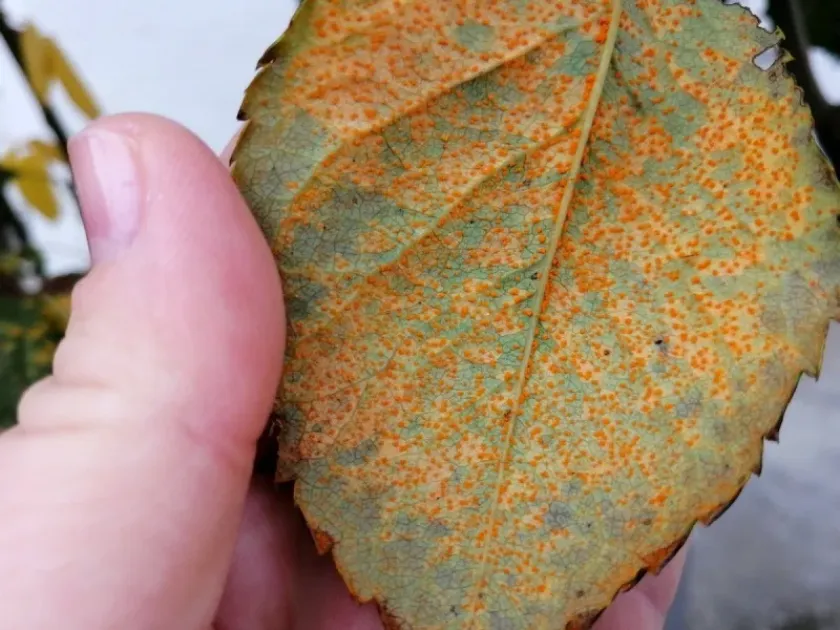
Description
Symptoms
The initial signs of rose rust appear in spring as tiny yellow or orange pustules on the underside of leaves and young shoots.
As the season progresses, these spots develop into rusty-brown powdery formations that can spread across the entire leaf surface.
By autumn, the fungus produces dark, almost black teliospores, which are the structures used for overwintering on debris.
Infected leaves often turn yellow, curl up, and drop prematurely, leaving the plant sparse and vulnerable to further stress.
Severe infestations can cause stems to develop deep cracks or lesions, which may result in the wilting or death of affected branches.
Pathogen
The disease is caused by the Phragmidium genus of fungi, a group of highly specialized obligate parasites targeting rose bushes.
These fungi have a complex life cycle, producing different types of spores to thrive and spread throughout the vegetation period.
The pathogen survives the winter as dormant mycelium within stem tissues or as dark spores on fallen leaves under the bushes.
Spores are dispersed primarily by wind and splashing rainwater, allowing the infection to jump between plants in close proximity.
The fungus is genetically adapted to infiltrate host cells efficiently, drawing nutrients from the rose and debilitating its vitality.
Conditions for development
Rose rust thrives in cool to moderate temperatures, typically between 18°C and 25°C, accompanied by high humidity.
Moist foliage is essential for the germination of fungal spores, making periods of heavy dew or frequent rain particularly risky.
Lack of proper air circulation within the rose garden allows humidity to build up, creating a perfect environment for rust outbreaks.
Plants suffering from nutrient deficiencies, particularly in potassium, exhibit lower natural defenses against this fungal pathogen.
Neglected gardens with significant amounts of plant litter become primary reservoirs for reinfection year after year.
Why it matters
Rose rust severely hinders the plant's photosynthetic capability, leading to stunted growth and reduced blooming potential.
The premature loss of leaves weakens the overall physiological state of the bush, making it struggle to accumulate winter reserves.
Affected plants demonstrate lower hardiness and are significantly more likely to sustain winter damage compared to healthy specimens.
The disease causes aesthetic devaluation, rendering the roses unsuitable for display or landscaping purposes during mid-to-late summer.
If left unmanaged, the cumulative damage over several seasons can cause the gradual decline and eventual death of the entire rose plant.
Protection
The first line of defense is rigorous garden sanitation, ensuring all fallen leaves are raked and destroyed before winter.
Pruning should focus on improving airflow and light penetration, which helps keep the foliage dry and less prone to fungal growth.
Fungicide applications are necessary for heavy infestations, focusing on systemic products that can penetrate the plant tissues.
- Apply copper-based sprays during the early growth season.
- Use systemic fungicides like triazoles when symptoms appear.
- Maintain balanced soil nutrition to support plant immunity.
Integrating resistant rose cultivars into the landscape is the most effective long-term strategy for minimizing rust outbreaks.
Discussion
No discussions yet — be the first.