
Rose leaf spot
Elsinoë rosarum
Description
Symptoms
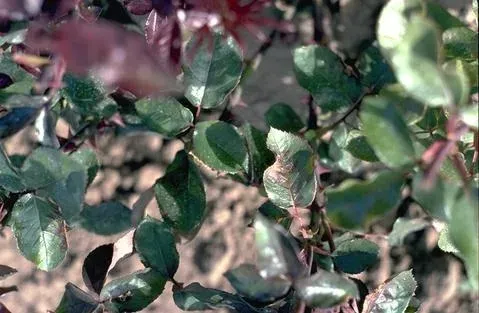
The initial symptoms appear as small, circular spots on the leaf surface. Initially, these spots are purple or dark red, often characterized by a distinct dark-colored margin.
As the infection progresses, the center of the spot dries out and turns ash-gray or white, while the dark perimeter remains, creating a classic "bull's-eye" or halo effect.
Minute black specks, representing the fungal acervuli, develop within the center of the spots. Under high humidity, these structures produce masses of spores that can be seen as a faint layer.
Lesions are not limited to foliage; stems, petioles, and buds are also susceptible. On stems, the spots are typically depressed and can cause tissue dieback or significant deformation of the growth.
Severe infestations lead to premature yellowing and defoliation. This loss of leaves weakens the plant, reducing its overall vigor and aesthetic appeal.
Pathogen
The disease is caused by the fungus Elsinoë rosarum, an ascomycete that exclusively attacks plants of the genus Rosa. Its conidial stage is recognized as Sphaceloma rosarum.
The pathogen overwinters as mycelium and sclerotia within infected plant debris, fallen leaves, and cankered stems that remain on the soil surface throughout the dormant season.
In spring, when conditions become favorable, the fungus produces conidia, which serve as the primary inoculum. These spores are spread to young, emerging foliage, initiating the infection cycle.
Dissemination occurs primarily via splashing rain, strong winds, and contaminated garden tools, which act as vectors if not properly disinfected between uses.
The fungus penetrates the plant tissue through stomata or mechanical wounds, colonizing the intercellular spaces and gradually degrading the cellular structure of the leaves and stems.
Conditions for development
High humidity and moisture are the primary drivers of disease development. Prolonged rain, persistent fog, and heavy evening dews create optimal conditions for spore germination.
The pathogen thrives at moderate temperatures, typically between 18°C and 25°C. During this temperature window, the infection process is most aggressive and rapid.
Poor air circulation, often resulting from dense planting or lack of pruning, keeps the foliage wet for extended periods, significantly increasing the likelihood of infection.
Overhead irrigation, especially when performed in the evening, provides the necessary water film for spores to penetrate the leaf surface, leading to rapid disease spread.
Excessive use of nitrogen fertilizers encourages rapid, succulent growth. This soft tissue is highly susceptible to fungal penetration compared to more hardened, mature plant growth.
Why it matters
Rose leaf spot significantly damages the plant's decorative value. Premature leaf drop halts photosynthesis, preventing the rose from storing energy needed for winter hardiness.
Stunted stem growth and deformed flowers are common consequences of severe infestation, often rendering the blooms unusable for decorative or commercial purposes.
The disease weakens the overall systemic health of the rose bush, making it prone to secondary infections and more susceptible to harsh winter temperatures.
In nursery environments, the disease causes significant economic losses due to the rejection of infected stock and the costs associated with repeated fungicide applications.
Persistent infection cycles can lead to the slow decline and eventual death of highly susceptible cultivars, necessitating the removal of the entire plant.
Protection
The most crucial step in management is strict garden hygiene. Collecting and destroying fallen leaves and pruning off infected stems significantly reduces the overwintering inoculum.
Regular pruning is essential to improve airflow within the rose canopy. This practice helps foliage dry quickly after rains, effectively preventing the conditions required for fungal growth.
Chemical control involves the use of fungicides. Copper-based products, as well as systemic triazole and strobilurin compounds, provide effective protection when applied according to the label.
- Apply preventative fungicides early in the season before symptoms appear.
- Regularly monitor the bushes for the first signs of the characteristic spots.
- Disinfect pruning tools with alcohol after handling infected material to stop further spread.
- Use drip irrigation or water early in the morning to ensure foliage remains dry during the night.
Maintaining a balanced nutrition program with adequate potassium and phosphorus strengthens the plant's natural defenses and supports recovery after an infection event.
Discussion
No discussions yet — be the first.