
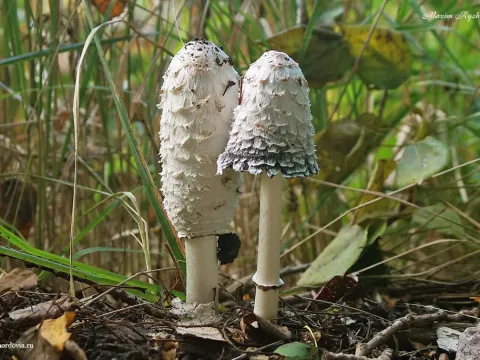
Shaggy mane
Coprinus comatus
The Shaggy mane Coprinus comatus is not a plant pathogen or a disease agent. It is classified as a saprotrophic fungus that feeds on dead organic matter.
What the section contains
Shaggy mane
Within the agricultural ecosystem, this fungus acts as a beneficial decomposer, breaking down complex organic materials into simpler, plant-available nutrients.
It lacks the biological machinery to infect or damage living plant tissues, meaning it poses no risk to vegetable crops, flowers, or trees.
The fungus is a member of the Agaricaceae family and plays a crucial role in the soil food web by recycling nutrients.
In agronomic terms, its presence is a sign of healthy soil rich in humus and organic matter rather than a symptom of a pathological condition.
Shaggy mane fungi thrive in nutrient-dense soils, particularly those where organic fertilizers like manure or compost have been recently applied.
High moisture levels are the primary requirement for the development of the mycelium and the emergence of the characteristic cylindrical fruiting bodies.
The fungus prefers mild temperatures between +15 and +25 degrees Celsius, making it common during spring and autumn seasons.
It is frequently observed in compact but nutrient-rich soils, such as garden beds, lawns, and areas with heavy human influence.
Rainfall triggers rapid growth cycles, often resulting in the sudden appearance of mushrooms after a period of wet weather.
The Shaggy mane does not cause any harm to living plants. It does not compete for nutrients in a way that would hinder crop development.
There are no reports of it causing root rots, wilts, or foliage infections in agricultural or horticultural practices.
The only minor concern for gardeners is the rapid autodigestion of the mushrooms into an inky black liquid, which may be unsightly on turf or garden paths.
This biological activity does not negatively alter the soil chemistry in a manner that would be toxic to plant health.
Therefore, it is considered an ecologically helpful organism that contributes to the breakdown of agricultural residues.
No chemical fungicides are required or recommended to control the Shaggy mane, as it is a beneficial part of the soil ecosystem.
Cultural control methods involve improving soil drainage to prevent the excessive moisture that favors mushroom growth.
Proper composting practices will limit the available food source for the mycelium, reducing its occurrence in garden beds.
Manual removal of fruiting bodies before they reach maturity can prevent the localized spread of spores across the garden area.
- Ensuring adequate soil drainage systems
- Deeply composting organic fertilizers
- Improving soil aeration through regular tillage