
Shield Pinkgill
Entoloma clypeatum
Description
Symptoms
The presence of the fungus is signaled by the emergence of fruiting bodies in late spring. These mushrooms are often found in clusters at the base of fruit trees.
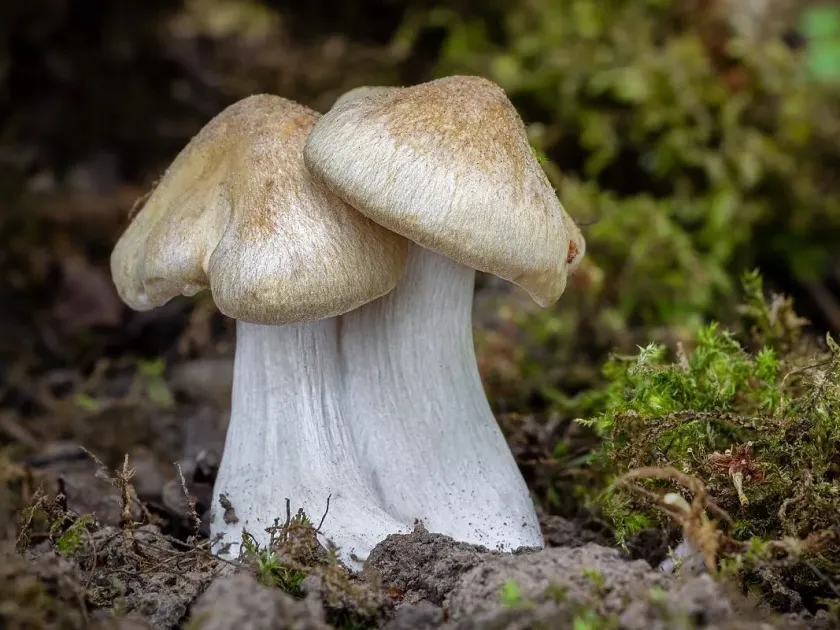
The cap typically measures 4–10 cm in diameter, displaying a grayish-brown hue and often featuring a central bump (umbo) that gives it a shield-like appearance.
The gills are a critical identification feature; they are initially white or pale but turn pinkish or reddish-brown as the spores mature and deposit onto them.
The stem is robust, fibrous, and pale in color, lacking any ring (annulus) or volva at the base, which distinguishes it from many other gilled mushroom species.
When crushed, the flesh releases a distinct mealy or cucumber-like odor, which is a common diagnostic characteristic used by mycologists and foragers alike.
Pathogen
The Shield Pinkgill (Entoloma clypeatum) is a mushroom belonging to the Entolomataceae family. It is vital to clarify that this fungus is not a plant pathogen and does not cause plant diseases.
This fungus is a saprotroph, meaning it derives nutrients from decaying organic matter in the soil rather than living host tissues. It plays a role as a decomposer in the ecosystem.
Many misconceptions exist suggesting that it parasitizes fruit trees. However, its presence near trees in the Rosaceae family is purely due to the favorable microclimate and organic debris found under their canopies.
The mycelium resides in the upper soil layers, silently breaking down dead leaves and humus, which benefits soil health rather than harming the plant roots.
In mycological terms, this species is characterized by its gilled structure and is part of the broader fungal community that supports soil nutrient cycling.
Conditions for development
Development of the fruiting bodies requires rich, organic soil and high moisture levels, which are typically found under the shade of fruit trees.
The fungus shows a strong preference for the Rosaceae family, such as apple, pear, plum, and hawthorn trees, which provide consistent shade and a steady supply of leaf litter.
Springtime, with its combination of rising soil temperatures and lingering moisture from winter and spring rains, creates the perfect environment for the mycelium to fruit.
Shaded environments prevent the delicate fruiting bodies from drying out too quickly, allowing them to complete their life cycle effectively.
Stable soil conditions are necessary; heavy foot traffic or significant soil compaction can disrupt the mycelial network and suppress the appearance of mushrooms.
Why it matters
The Shield Pinkgill poses no threat to garden crops or orchard trees. It does not infect vascular systems, leaves, or fruits of the host plants.
Since it feeds exclusively on dead organic material, it acts as a beneficial decomposer. It aids in the breakdown of mulch and compost, making nutrients available to the trees.
No symptoms of wilting, decay, or blight are associated with this fungus. It is entirely non-pathogenic, and its relationship with the trees is strictly one of physical proximity.
Gardeners should not view this fungus as a pest. Its role in the soil is natural and supportive of a balanced horticultural ecosystem.
Unlike parasitic fungi that attack living bark or roots, the Shield Pinkgill remains harmless throughout its entire biological cycle, focusing on the decay layer.
Protection
No chemical or biological control measures are necessary for the Shield Pinkgill, as it does not constitute a plant disease or agricultural pest.
If the mushrooms are unwanted for aesthetic reasons on a lawn or in a decorative garden bed, simple physical disturbance of the soil surface can discourage fruiting.
Clearing away excessive leaf litter or old mulch around the base of trees will remove the food source that the fungus depends on for development.
Improving soil aeration and drainage can also reduce the humidity level in the topsoil, making the environment less hospitable for the mushroom to fruit.
We recommend leaving the fungus undisturbed, as it is a natural component of a healthy, organic-rich garden soil and does not impact plant health.
Discussion
No discussions yet — be the first.