
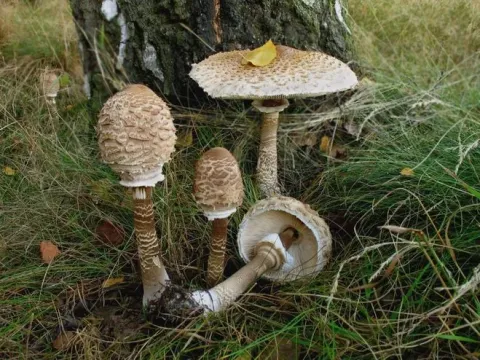
Shaggy parasol
Chlorophyllum rhacodes
Chlorophyllum rhacodes, commonly known as the shaggy parasol, is a saprophytic fungus and not a plant pathogen.
What the section contains
Shaggy parasol
It belongs to the Agaricaceae family and lives by decomposing organic matter in the soil or leaf litter.
This organism does not attack living plant tissues, therefore it cannot be considered a causative agent of crop diseases.
Misclassification occurs when farmers mistake the presence of the fungus for a symptom of root rot or wilt caused by other pathogens.
Biologically, it plays a beneficial role by recycling nutrients within the ecosystem.
The fungus thrives in organic-rich soils, including compost piles, mulched garden beds, and greenhouses.
High soil moisture and moderate temperatures are essential for the formation of its fruiting bodies.
It is commonly found in environments with plenty of decaying debris and sufficient aeration.
Development is most pronounced during damp weather in late summer and throughout the autumn season.
It prefers shaded areas where soil temperatures range between 15 and 22 degrees Celsius.
The shaggy parasol does not infect or damage crops directly because it lacks the ability to parasitize living plant cells.
In greenhouses, heavy fungal growth can physically compete with small seedlings for physical space in the substrate.
Excessive presence may indicate an over-accumulation of uncomposted organic material, which could potentially harbor other soil-borne diseases.
It does not deplete crops of nutrients significantly, though it may alter the micro-environment of the topsoil.
No economic loss in agricultural yield is typically associated with the presence of this specific species.
No chemical control or fungicide application is necessary for this species as it is harmless to plant health.
Cultural management practices, such as proper decomposition of organic matter, are sufficient to limit its growth.
Improving soil drainage and avoiding excessive surface moisture will naturally discourage fungal colonization.
Manual removal of fruiting bodies is the recommended method to maintain the aesthetic quality of the growing area.
Ensuring that compost is fully mature before application prevents the fungus from finding a suitable substrate to colonize.