
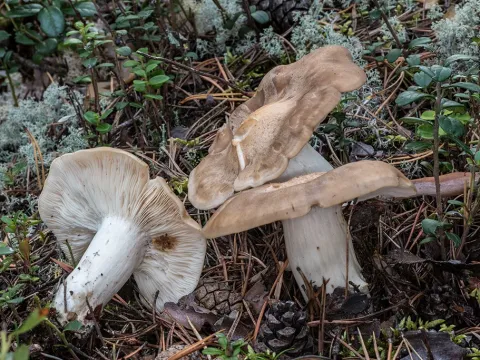
Shimeji mushroom
Lyophyllum shimeji
Lyophyllum shimeji is a basidiomycete fungus that, while often celebrated as a culinary species, acts as a wood-decaying pathogen and root-inhabiting fungus in forest and garden ecosystems.
What the section contains
Shimeji mushroom
The pathogen primarily affects the root systems of trees, penetrating the tissue through wounds or areas of natural weakness. It utilizes a sophisticated enzyme system to break down cellulose and lignin.
The fungus develops dense mycelial cords that colonize the root neck and extend into the surrounding soil. This allows it to persist in the environment for years, waiting for suitable host conditions.
Biologically, it is a facultative parasite; it can exist as a saprotroph on dead wood but readily transitions to a pathogenic state when a host tree shows signs of stress or poor physiological status.
The lifecycle includes the production of large, fleshy fruit bodies near the tree base. These structures are the primary mechanism for spore dispersal, facilitating the spread of the disease across forest patches.
The most distinctive visual sign is the emergence of gray-brown clusters of fruiting bodies at the tree's base during the late summer and autumn seasons, indicating significant fungal colonization.
The canopy of an infected tree often shows chlorosis, premature yellowing of leaves, or browning of needles, reflecting the loss of nutrient transport efficiency due to impaired root function.
Inspection of the root collar reveals decaying bark and a soft, spongy texture in the wood. A distinct mushroom odor may be present, indicating the internal progression of the rot.
Tree vitality declines, characterized by the dieback of skeletal branches and an overall lack of annual growth, signaling that the root system can no longer sustain the biological needs of the crown.
In advanced stages, the tree shows reduced anchorage, making it prone to windthrow. The bark may start to flake off in large patches near the ground level due to underlying tissue necrosis.
Lyophyllum shimeji thrives in moist, acidic, and organic-rich soils. It is particularly prevalent in areas with high humidity and stable, cool temperatures typical of temperate autumns.
High planting density is a critical factor for disease spread. Because the fungus spreads through mycelial contact, dense stands allow the pathogen to move efficiently from an infected tree to neighboring, healthy ones.
Poor soil aeration and compaction increase the susceptibility of trees to infection. These conditions often lead to root suffocation, creating an entry point for the aggressive fungal mycelium.
Stressed trees, especially those suffering from poor fertilization or water imbalance, are far more likely to be colonized by L. shimeji compared to vigorous, well-maintained specimens.
Prolonged wet weather cycles encourage the activation of dormant mycelia in the soil, leading to sudden outbreaks of fruiting bodies and an increase in the infection pressure in a given area.
The primary danger lies in the progressive destruction of the root system, which inevitably leads to the decline and death of the host tree if the infection is not intercepted early.
Infrastructure risk is significantly increased as the weakened root systems reduce the structural integrity of the tree, creating a high probability of collapse during storm events.
Economic damage in forest nurseries and horticultural plantations is substantial, as infected trees often require removal and destruction to prevent the pathogen from spreading to healthy inventory.
The loss of biodiversity in natural forest patches occurs as the disease clears large groups of trees, turning healthy ecosystems into hazardous zones with a high concentration of fungal spores.
Biological resources are lost as the wood quality degrades, making the wood unsuitable for lumber or decorative use, thereby affecting the long-term value of the plantation.
The most effective strategy is strict sanitary management. Infected trees must be completely removed, including the stumps and as much of the root system as possible, to eradicate the source.
Monitoring is essential; regular inspections of tree bases for fruiting bodies can help detect infections before the canopy shows irreversible damage, allowing for potential quarantine of the area.
Biological control using beneficial soil fungi, such as Trichoderma species, can help suppress L. shimeji populations in the soil by outcompeting it for space and nutrients.
Maintaining soil health through proper fertilization and avoiding mechanical damage to roots during landscaping or cultivation is critical to preventing the initial infection.
- Total removal of diseased trees and stumps.
- Isolation trenches around infected clusters.
- Enhancement of soil drainage and aeration.
- Strategic application of bio-fungicides.