
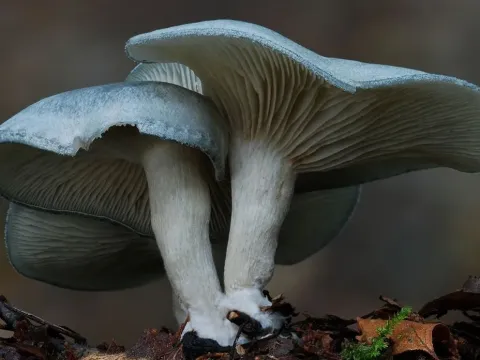
Clitocybe odora
Clitocybe odora
Clitocybe odora, commonly known as the aniseed toadstool, is a saprotrophic fungus and is not a plant pathogen.
What the section contains
Clitocybe odora
The fungus plays a beneficial role in the environment by decomposing organic matter such as leaf litter and woody debris in forest ecosystems.
It lacks the biological mechanisms to penetrate or parasitize living plant tissues, meaning it cannot be considered a cause of plant disease.
Labeling this species as a plant disease in agricultural literature is inaccurate and stems from a misunderstanding of its ecological niche.
Its primary function is the breakdown of complex carbon compounds, which contributes to the formation of soil humus, benefiting the overall ecosystem.
Clitocybe odora typically thrives in moist, shaded environments, particularly in deciduous or mixed forests rich in organic debris.
The mycelium requires high humidity and steady temperatures to flourish, often appearing after late summer rains.
In agricultural settings, it may occasionally appear in heavily mulched areas where there is an abundance of raw organic material.
Spore dispersal is primarily wind-driven, allowing the fungus to colonize suitable organic substrates independently of plant health.
It does not require a host plant to complete its life cycle, distinguishing it clearly from actual parasitic or pathogenic fungi.
This fungus presents zero threat to crops, vegetables, or ornamental plants. It causes no wilting, necrosis, or rotting of live tissues.
There is no economic damage associated with the presence of this species, and it does not affect crop yield or quality.
In rare instances, its mycelium may compete for nutrients only if the organic material it colonizes is being utilized as an unrefined, fresh mulch.
The presence of Clitocybe odora is often an indicator of high soil organic content and favorable humidity, which is generally positive for soil structure.
It is not toxic to crops and does not require any remedial actions to safeguard your garden plants.
No control measures, including the application of fungicides, are necessary for this species as it does not pose a threat to plant health.
If the physical presence of the mushroom is undesirable for aesthetic reasons, manual removal of the fruiting bodies is sufficient.
Preventative measures include using fully composted organic matter, which minimizes the risk of the mycelium establishing itself in garden beds.
Ensuring proper drainage and soil aeration will discourage the colonization of the substrate by moisture-loving saprotrophic fungi.
Practicing good garden hygiene and proper composting techniques effectively prevents the accidental introduction of unwanted fungal growths into your vegetable patch.