
Clitocybe truncicola
Clitocybe truncicola
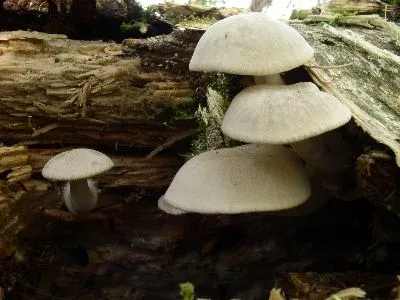
Description
Symptoms
The most recognizable sign is the presence of cluster-forming fruiting bodies (mushrooms) with funnel-shaped caps protruding from the tree's trunk or base.
Infected areas often show signs of bark discoloration, ranging from darkening to deep cracking, which indicates internal tissue breakdown and fungal colonization.
Under the bark, a dense layer of white or cream-colored mycelium mats can be observed, which often emits a distinct, earthy, or musty fungal odor.
The wood affected by this fungus becomes soft and light, exhibiting a characteristic white rot appearance that lacks its original strength and structural integrity.
Visible decline in the canopy, including yellowing leaves, tip dieback, and reduced foliage density, are secondary symptoms of the compromised transport system within the tree.
Pathogen
Clitocybe truncicola is a wood-inhabiting fungus that belongs to the Tricholomataceae family and typically functions as a saprotroph, though it can become opportunistic on weakened trees.
The pathogen reproduces via airborne spores produced by its basidiocarps, which are small, often pale-colored fruiting bodies that appear on decaying wood surfaces.
Once the spores land on damaged bark or exposed wood, they germinate and form a network of mycelium that penetrates the inner layers of the tree structure.
As the mycelium spreads, it secretes lignolytic enzymes that systematically decompose the wood tissue, which is the primary biological mechanism of the decay process.
The fungus is highly resilient and thrives in diverse forest conditions, making it a persistent organism capable of surviving in various host types throughout the season.
Conditions for development
Development and spread of the fungus are favored by high humidity levels and moderate temperatures, typically occurring after heavy rainfall or in poorly ventilated areas.
Mechanical injuries to the trunk, such as frost cracks, sunscald, improper pruning cuts, or animal damage, serve as primary entry points for the fungal spores.
Lack of proper forest or orchard sanitation, including the presence of decaying stumps and deadwood, creates a high spore load that increases the risk of infection.
Dense vegetation prevents adequate airflow around the base of the trees, maintaining the moisture levels required for the rapid germination of the fungus.
Trees that are already under stress from drought, poor nutrition, or secondary pest infestations are significantly more susceptible to infection by this pathogen.
Why it matters
Clitocybe truncicola causes significant wood decay, which progressively destroys the tree’s structural capacity and threatens its long-term survival.
The damage disrupts the tree's ability to circulate water and vital minerals, leading to systemic starvation and eventual death of branches or the entire specimen.
Infected trees become hazardous because the weakened wood is susceptible to mechanical failure, potentially leading to trunk collapse during strong winds or storms.
The fungus represents an economic threat to orchards and nurseries, as the infection can spread quickly among densely packed trees, causing widespread losses.
The presence of the fungus significantly lowers the tree's immune response, making it highly vulnerable to subsequent attacks by bark beetles and other wood-boring insects.
Protection
Effective management begins with strict sanitation, including the removal of infected wood and the sealing of all pruning cuts with appropriate horticultural wound dressings.
Proactive care, such as regular painting of trunks with lime wash and proper fertilization, helps maintain tree vigor and resistance to fungal colonization.
Preventative applications of copper-based fungicides can act as a protective barrier on the bark, preventing spore germination during periods of high environmental risk.
Removing old stumps and decaying organic matter from the immediate vicinity is essential to eliminate the primary sources of fungal spores in the environment.
- Maintain proper spacing to improve airflow around the canopy and trunk.
- Disinfect all pruning tools with alcohol to avoid cross-contamination.
- Perform regular inspections of tree trunks for early signs of mycelial growth.
Discussion
No discussions yet — be the first.