
Clitocybe vitecina
Clitocybe vitecina
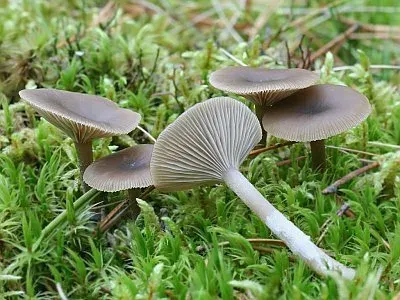
Description
Symptoms
A primary sign of the presence of this fungus is the formation of fruit bodies on dead or severely weakened wood. The fruit bodies have a characteristic funnel shape with grooved edges.
The fungus forms colonies that can cover significant areas of bark or exposed wood. The color of the caps ranges from light beige to grayish-brown, which often makes them blend into the bark.
Internal symptoms involve the gradual softening of wood fibers. The tree loses its structural integrity and becomes brittle, which frequently leads to branch breakage under wind pressure.
The fungal mycelium penetrates deep into the cambium, disrupting sap flow processes. As a result, leaves on infected parts yellow prematurely, and shoots begin to wither and die.
With prolonged infection, the wood color changes significantly. It acquires a dark, mottled appearance, indicating the breakdown of lignin and cellulose within the cell walls.
Pathogen
The pathogen is the fungus Clitocybe vitecina, which belongs to the class of Basidiomycota. It is a saprotrophic organism that can adopt a semi-parasitic lifestyle when encountering weakened plant tissues.
The disease is classified as white or brown wood rot. The fungus secretes specific enzymes that actively break down complex polymers, which form the skeletal structure of plant tissues.
The biology of the pathogen is closely tied to humid conditions, which are necessary for spore germination. Spores are primarily dispersed by air currents, settling on mechanical wounds or pruning cuts.
The life cycle includes a dormant mycelium stage that can persist inside the wood for several years. Under favorable conditions, the fungus activates to form fruit bodies for reproduction.
While not an obligate parasite, the presence of this fungus significantly accelerates the death of trees already suffering from other stresses or pest infestations.
Conditions for development
The development of Clitocybe vitecina is most intense under conditions of high air humidity and moderate temperatures. Abundant rainfall facilitates the rapid spread of spores throughout the garden.
Poor canopy ventilation and dense planting create an ideal microclimate for mycelium growth. Lack of airflow prevents the bark from drying out after rainfall.
The presence of open wounds on trunks is a major risk factor. Mechanical injuries from garden machinery, sunscald, or frost cracks act as entry points for the infection.
Trees experiencing nutritional deficiencies or drought stress are the most susceptible. A healthy, actively growing tree possesses a better natural defense against mycelial penetration.
The fungus actively reproduces on decaying plant debris, stumps, and fallen timber. Untended plots with significant amounts of dead wood serve as constant sources of infection.
Why it matters
The harmfulness of Clitocybe vitecina lies in its destruction of the plant's conducting tissues. This results in the gradual starvation of the canopy and a decrease in tree productivity.
Prolonged infection makes the tree a safety hazard due to the risk of large branches falling. In orchards, this often necessitates the removal of fruit-bearing trees.
The fungus depletes the tree's resources, shortening its productive lifespan. This is particularly critical in commercial orchards where tree longevity is a key economic factor.
The consequences of infection are often irreversible, as the mycelium spreads inside the trunk. Surface treatments are rarely sufficient to cure a deeply infected specimen.
Economic damage includes the cost of removing affected trees, orchard rehabilitation, and the loss of long-term harvest yields.
Protection
The primary control measure is strict adherence to garden sanitation practices. It is essential to promptly remove and destroy all infected branches, stumps, and dead trees.
All bark wounds and pruning cuts must be treated with wound paint or antiseptic pastes. This creates a physical barrier that prevents spores from reaching the exposed wood.
Maintaining high horticultural standards is crucial, ensuring trees receive balanced nutrition. Regular applications of phosphorus and potassium fertilizers boost natural plant immunity.
When infection foci are identified, thorough cleaning of the damaged areas down to healthy wood, followed by disinfection with copper sulfate, should be performed.
Regular preventive spraying of the garden with broad-spectrum fungicides during the active growing season and before winter is recommended to minimize new infections.
Discussion
No discussions yet — be the first.