
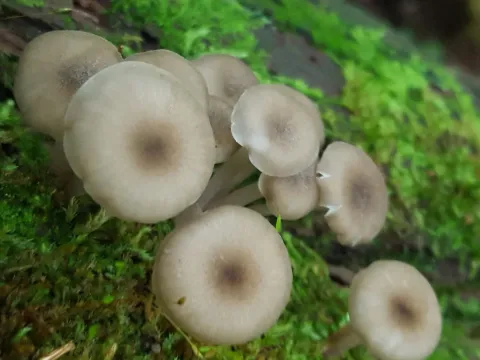
Clitocybula
Clitocybula
The genus Clitocybula comprises fungi belonging to the Marasmiaceae family. In agricultural and horticultural terms, these organisms are primarily identified as wood-decaying saprotrophs that thrive on organic matter.
What the section contains
Clitocybula
The pathogen spreads primarily through the production of basidiospores. These spores are dispersed by wind and rain, landing on surfaces of woody plants where they initiate the colonization process.
While often categorized as saprophytes, some species can act as opportunistic pathogens on weakened trees. The mycelium penetrates through physical injuries or natural openings in the bark into the inner wood layers.
The fungus produces extracellular enzymes that facilitate the breakdown of complex structural polymers like lignin and cellulose. This enzymatic activity leads to the degradation of the plant's vascular and structural integrity.
The life cycle of the pathogen is closely tied to moisture availability. Mycelium can persist within the substrate for extended periods, remaining dormant during dry spells and reactivating under favorable humid conditions.
The most evident sign is the emergence of small, clustered fruiting bodies on the trunk or near the root zone. Their presence strongly indicates active internal colonization of the wood.
The internal tissues show signs of decay, often appearing bleached or abnormally soft. The wood loses its mechanical strength and becomes prone to splitting or snapping under stress.
Bark abnormalities such as cracking, necrosis, or excessive resin exudation may occur. The foliage on infected branches frequently shows signs of stress, including premature yellowing and wilting.
Crown dieback is a common progression of the disease as the fungus compromises the transport of nutrients and water. The tree's overall growth rate declines significantly over several growing seasons.
Mycelial mats or rhizomorphs might be found underneath the bark layers. In high-humidity environments, these structures may appear white or cream-colored, indicating active fungal expansion.
High relative humidity and poor soil drainage are the primary factors favoring the growth and spread of Clitocybula. Wet, stagnant conditions prevent proper aeration and stress the root system.
Physical injuries, including frost cracks, pruning wounds, or damage caused by maintenance equipment, provide critical entry points for the pathogen to establish itself.
The ideal temperature range for fungal development is typically between 15°C and 25°C. These temperatures encourage rapid mycelial growth and subsequent sporulation during spring and autumn.
Trees that are already compromised by nutrient deficiencies, pests, or improper planting depth have significantly lower resistance to colonization compared to healthy, vigorous plants.
Lack of canopy airflow in densely planted areas increases humidity levels around the stems. This microclimate is conducive to spore germination and the development of new infection sites.
The primary damage is the structural destabilization of the tree, which poses significant safety risks. Heavily infected trees may experience branch failure or total collapse during high winds.
The disruption of water and nutrient transport leads to a drastic reduction in fruit yield and quality. Over time, the plant loses its vigor and may become permanently stunted.
The disease can spread to neighboring plants through root contact or via contaminated pruning tools. This creates a risk of localized outbreaks within the orchard or garden environment.
Economic losses arise from the need for frequent tree removal and replacement, as well as the loss of harvest potential. Managing long-term perennial crops becomes increasingly difficult.
Infection lowers the plant's overall tolerance to environmental stresses, including winter hardiness. Consequently, infected trees are more likely to perish during extreme weather events.
Maintaining high horticultural standards is the most effective form of prevention. Proper irrigation, fertilization, and regular soil monitoring help keep trees resilient against infection.
All pruning wounds should be treated with appropriate antiseptic agents or wound dressings to prevent the entry of fungal spores. Ensuring smooth, clean cuts is essential for fast healing.
Sanitation is critical; all infected wood, including fallen debris and dead branches, must be removed and disposed of away from the planting site to eliminate inoculum sources.
Sterilizing pruning equipment with disinfectants between every tree is vital to stop the cross-contamination of healthy plants during routine maintenance.
Periodic application of copper-based fungicides can help manage the surface spore load. These preventive measures are most effective when applied during periods of peak fungal activity.